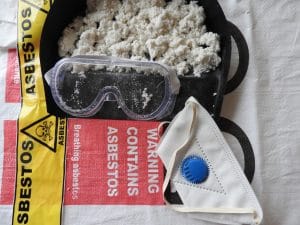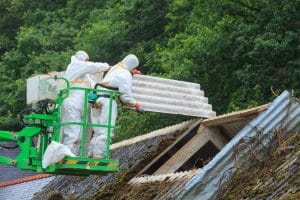
You're standing under a stippled ceiling, looking up at a finish that may have been there since the house was built or since a remodel you never thought much about. The texture looks ordinary until you're planning paint, lighting, a repair, or a larger renovation, and then the question hits fast, does this popcorn ceiling contain asbestos, and what should I do before anyone disturbs it?
That question matters because popcorn ceiling asbestos is less about the look of the ceiling and more about what happens when the material is tested, cut, scraped, or sanded. A ceiling can sit undisturbed for years, then become a project issue the moment a contractor, buyer, or owner changes plans. In Los Angeles and across Southern California, that distinction often decides whether you need a simple inspection, a formal asbestos survey, or compliance documentation before work starts.
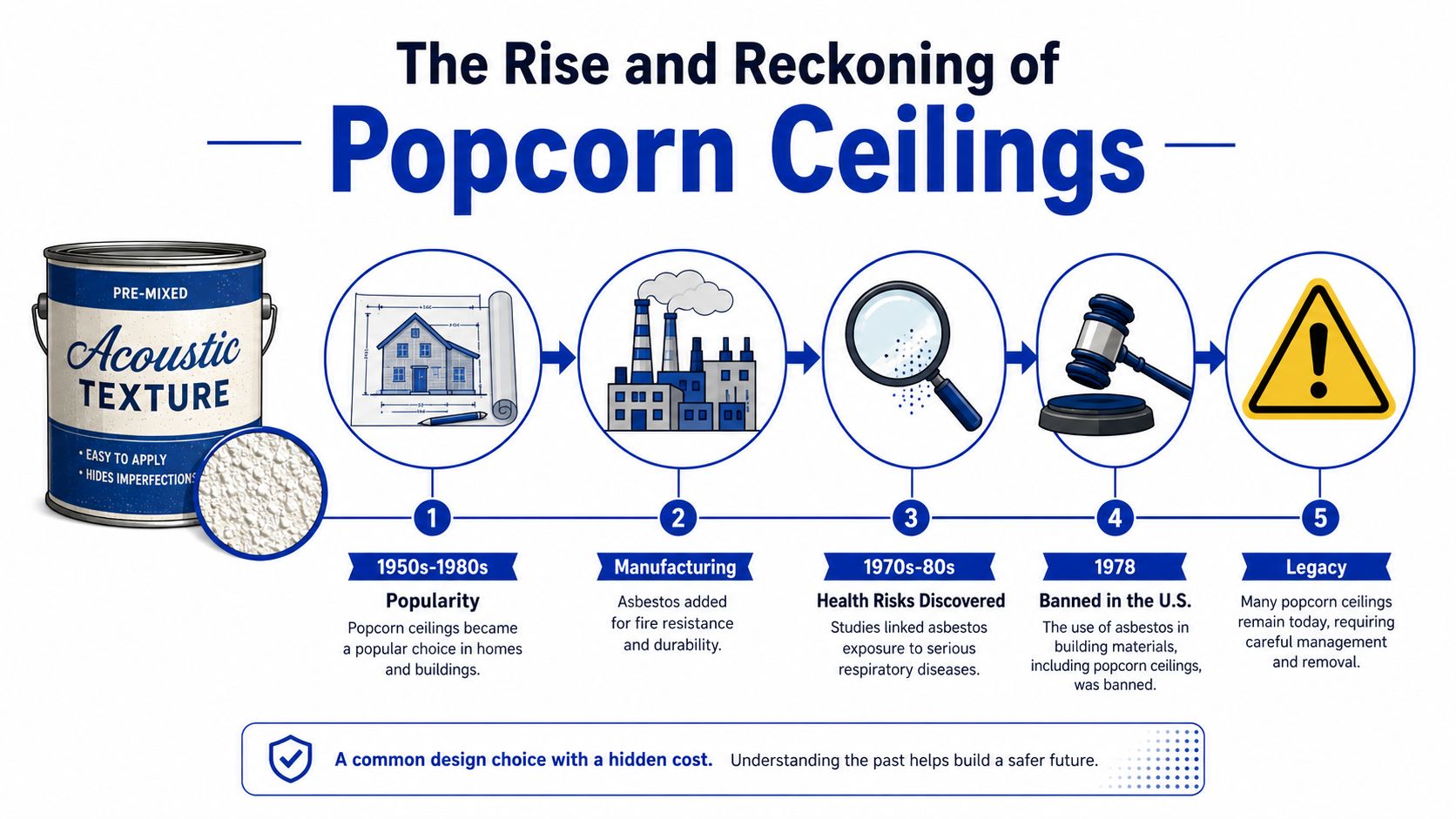
Table of Contents
- What Popcorn Ceilings Are and Why Asbestos Became Part of the Story
- The History of Asbestos in Spray-Applied Ceilings
- Why Age Alone Cannot Confirm Asbestos Content
- How Professional Asbestos Testing Actually Works
- Encapsulation, Partial Removal, or Full Abatement
- Los Angeles and South Coast AQMD Compliance Basics
- Common Myths Homeowners Should Stop Believing
- Putting It Together and Planning Your Next Step
What Popcorn Ceilings Are and Why Asbestos Became Part of the Story
A homeowner often notices the ceiling before they know its name. The rough, stippled finish softens light and hides small drywall flaws, which is why it stayed popular in houses and commercial interiors for years. During the postwar construction boom, textured ceilings were installed widely from the 1940s through the early 1990s, and many guides treat 1945 to 1985 as the main historical window for asbestos-containing popcorn ceilings.
Why the texture was so common
Builders liked the finish because it went on quickly and could cover uneven joints, patchwork, or older plaster. In many properties, the ceiling also reflects several remodels, not a single original job. A surface that looks uniform now may still contain layers from different decades.
The asbestos concern entered the story because some textured ceiling products were made with asbestos mixed into the material. Once the material is disturbed, the fibers can become a concern through asbestos exposure pathways. Regulatory changes altered what could be sold and used, but leftover stock and later renovations meant older products stayed in circulation for years. The EPA's historical rulemaking on spray-applied surfacing materials and later federal actions help explain why the issue still comes up during repairs and remodeling (Ferraro Law overview of the regulatory timeline).
Practical rule: A popcorn ceiling is not automatically dangerous just because it looks old, but age is a good reason to test before anyone scrapes, sands, or cuts into it.
For homeowners, the takeaway is straightforward. A stippled ceiling installed between 1950 and 1985 may fit the historical risk pattern, but the texture alone cannot tell you what is inside the material. A 1970s family room ceiling can look identical to a later patch job, which is why environmental consultants treat popcorn ceiling asbestos as a testing question, not a visual guess.
The History of Asbestos in Spray-Applied Ceilings
The historical timeline explains why so many people still run into this issue during renovations. In the decades after World War II, spray-applied ceiling textures were popular because they fit the pace of mass construction and gave builders a cheap way to finish large interior surfaces. Asbestos fit neatly into that product history because it was used in building materials for performance reasons, including fire resistance.
What changed in the late 1970s and after
The key regulatory shift came in the 1970s, when asbestos in spray-applied surfacing materials was restricted. A broader federal ban attempt followed in 1989, although parts of that rule were overturned in 1991 (Ferraro Law overview of the regulatory timeline). That timeline is why many guidance sources use 1980 as a practical dividing line, but not an absolute one. Leftover inventory and remodel work meant early-1980s ceilings could still contain asbestos even after the market began changing.
A ceiling's date matters because it helps narrow the historical risk, especially in older homes and commercial buildings across Los Angeles and Southern California where textured finishes remained common for years. But history only gets you so far. A building can be old, renovated, repaired, patched, or partially replastered, and each change can alter what a tester finds.
A ceiling built before the early 1980s deserves attention. A ceiling built later can still surprise you if it used older stock or came from a renovation chain.
The most useful habit is to treat age as a screening clue, not a verdict. If a project involves repainting, ceiling repairs, tenant improvements, or demolition, the next step is not to guess. It's to inspect, sample, and document what's there before work starts.
Why Age Alone Cannot Confirm Asbestos Content
People often want a fast yes or no answer from the date alone. That shortcut feels practical, but it fails in both directions. Some older ceilings test negative, some later ceilings test positive, and a visual look can't tell you whether the texture contains asbestos fibers or a different aggregate.
What makes visual identification unreliable
Popcorn ceiling material can look almost identical from one home to the next, even when the underlying composition is different. Repairs make the problem worse. A house may have an original textured ceiling in one room, a patched section in another, and a retextured area added years later, which means one portion can test differently from the rest.
The actual asbestos content in contaminated popcorn ceiling products has historically been reported at about 1% to 10% by volume, which is enough to matter when the material is disturbed (Mesothelioma.com). That is why a ceiling that looks harmless can still become a fiber-release concern if someone starts sanding or scraping.
Why lab analysis is the only real confirmation
Guidance aimed at homeowners and inspectors says the only reliable confirmation comes from a physical sample analyzed in a laboratory (EnvioCore testing guidance). That same logic applies in residential and commercial settings, although the sampling plan is often more formal for larger properties. A small apartment building, office floor, or tenant improvement space may need documentation that supports construction planning, not just a homeowner's peace of mind.
The best way to think about age is this. It helps you decide whether testing is worth doing, but it can't tell you what is inside the material. If the ceiling will stay intact, that may change the risk conversation. If it will be disturbed, the age question becomes a starting point for sampling, not an answer.
How Professional Asbestos Testing Actually Works
Professional testing starts with a simple principle, sample the material, don't guess about it. For popcorn ceiling and other surfacing materials, inspectors typically collect multiple small samples from representative areas so the lab can evaluate the material accurately. Independent laboratory guidance says three samples per homogeneous area is the rule of thumb for testing, and asbestos-containing material is regulated at or above 1 percent asbestos by weight (AsbestosHQ).
What the inspector does on site
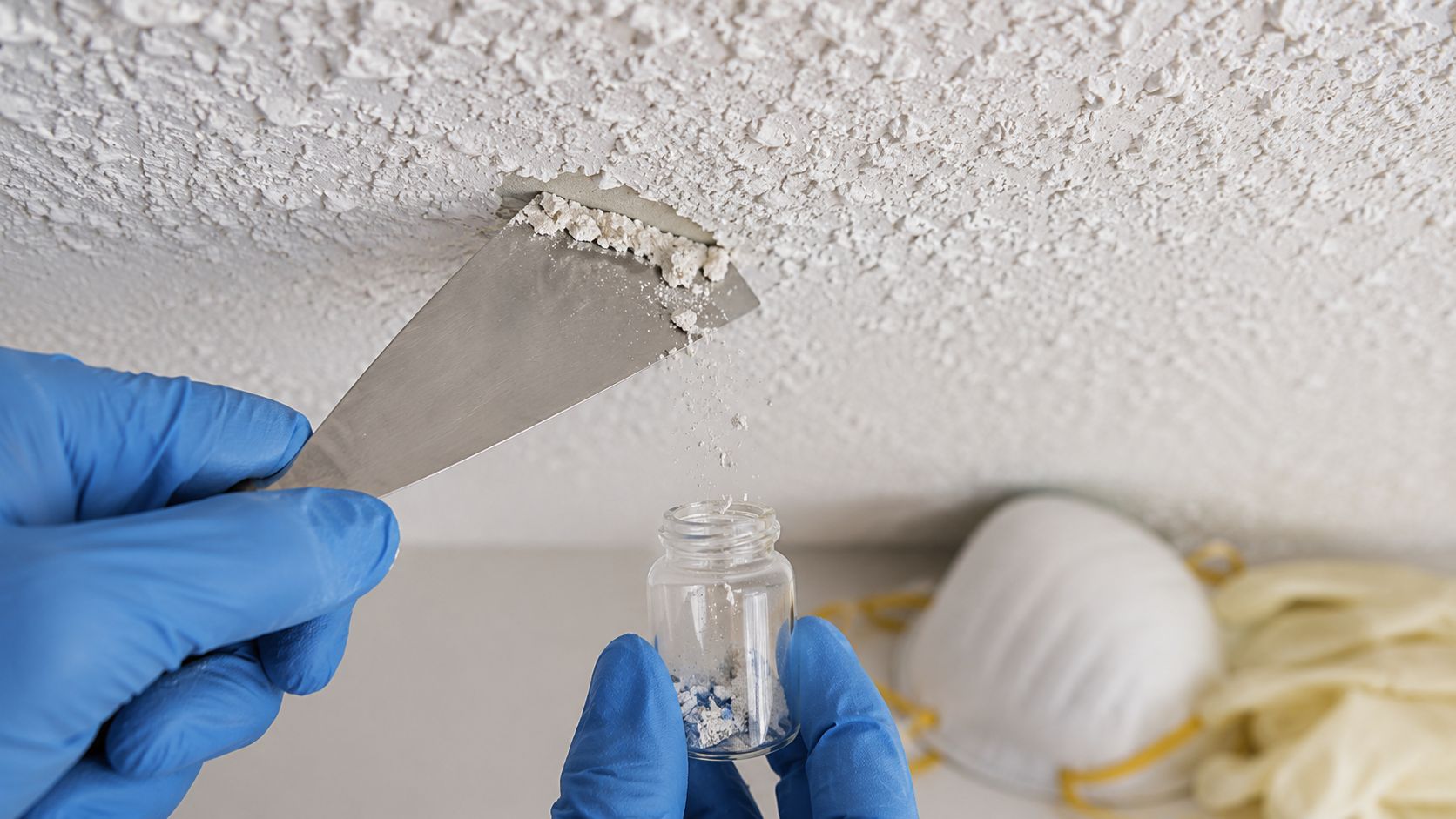
A certified inspector looks at the room, identifies homogeneous areas, and takes small bulk samples in a controlled way. The goal is to avoid unnecessary fiber release while still collecting enough material for analysis. That process matters because a ceiling sample has to represent the actual surface, not just a loose crumb from one corner.
The lab then analyzes the sample using established bulk methods. EPA's bulk asbestos method recognizes polarized light microscopy, transmission electron microscopy, and x-ray diffraction as analytical methods for identifying asbestos in building materials (EPA bulk test method). In practical terms, the method chosen depends on the material, the lab protocol, and the question being asked.
| Common Bulk Asbestos Analytical Methods | What It Does | Typical Use for Popcorn Ceilings |
|---|---|---|
| Polarized light microscopy | Examines the optical properties of fibers in the sample | Common first-line method for bulk ceiling material |
| Transmission electron microscopy | Looks at tiny particles at a higher level of detail | Useful when finer identification is needed |
| X-ray diffraction | Identifies mineral structure in the sample | Helpful for confirming mineral composition in bulk material |
What the report tells you
A lab report should tell you whether asbestos was detected and, if so, whether the material meets the regulatory threshold that matters for project planning. It won't tell you to renovate, leave it alone, or remove it. That decision depends on condition, planned disturbance, and local requirements.
If you want a practical next step for a Los Angeles property, a service page like asbestos testing in Los Angeles is the kind of resource that fits this stage of the process. For day-to-day air awareness in occupied spaces, an item like the EcoQuest Purifiers air quality monitor may help track general indoor conditions, but it does not replace asbestos sampling or lab analysis.
Encapsulation, Partial Removal, or Full Abatement
A positive test does not automatically mean the ceiling has to come out. The right response depends on whether the material is intact, how much of it is involved, and what the property owner plans to do next. That's the part many homeowners miss, because they hear “asbestos” and assume the only outcome is full removal.
How the options differ
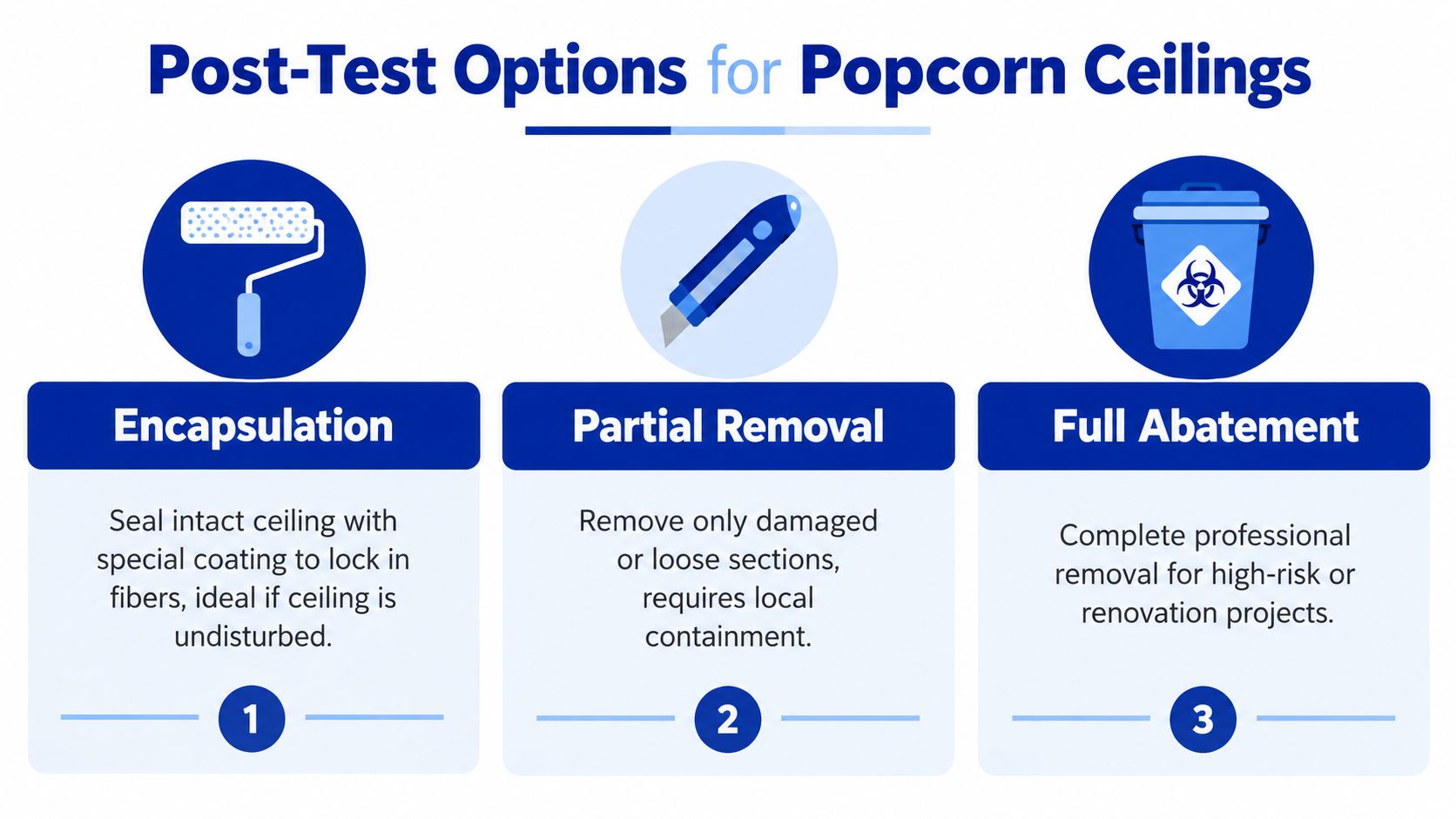
Encapsulation means sealing intact material so it stays in place. That approach can make sense when the ceiling is stable and won't be disturbed, because the goal is to lock the material down rather than create dust by chasing a cosmetic issue.
Partial removal is more limited. It may be used when only a damaged or loose section needs to be addressed, but it still requires containment and proper controls because the disturbed area can release fibers.
Full abatement is the most extensive option. It is generally tied to higher-risk conditions, larger scopes, or renovation work that will disturb the material across a wider area.
The decision usually follows condition, not fear
If the ceiling is intact and not part of a remodel, leaving it alone can be a valid risk-management choice, which is why “positive” and “must remove now” are not the same thing. Disturbance is the trigger that changes the equation. Sanding, scraping, or cutting into the finish is the kind of work that turns a ceiling from a background material into a project hazard.
Practical rule: The safest decision is the one that matches the condition of the material and the work you actually plan to do.
That's also why environmental consultants often frame testing as the step that clarifies the choice, not the choice itself. A good report helps the owner, contractor, and any qualified abatement professional decide between leaving it in place, sealing it, or planning regulated work.
Los Angeles and South Coast AQMD Compliance Basics
Los Angeles projects often involve more than a homeowner's renovation goal. Once a ceiling is part of a larger remodel or demolition, the project can move into regulatory territory, especially within South Coast AQMD jurisdiction. That is where asbestos surveys, documentation, and contractor requirements become part of the planning conversation.
What Rule 1403 requires before work starts
South Coast AQMD Rule 1403 requires a prior asbestos survey of the facility and its components by a California-certified asbestos consultant. For demolition, the inspection must also cover site foundations, underground utilities, and potentially inaccessible or hidden materials, so a limited survey is not enough for demolition work (AQMD survey requirements). That distinction matters for property owners, general contractors, and facility managers because the scope of the survey affects the scope of the job.
If asbestos-containing material is present, South Coast AQMD says a cleanup plan approved as Procedure 5 must be completed, a registered asbestos abatement contractor must perform the cleanup, and the contractor must file an asbestos removal notification through the Rule 1403 web application (AQMD cleanup and notification requirements).
Where the testing fits into the project flow
Testing is the step that feeds the compliance paperwork. A visual check is not enough for demolition, and a homeowner guess is not enough for regulated renovation planning. The consultant's survey identifies suspect materials, the lab confirms what they contain, and the project team uses that documentation to decide whether the scope stays simple or becomes regulated.
For real estate and disclosure questions, California asbestos real estate disclosure guidance helps frame why documentation matters before property transfer or remodeling. In practice, that same documentation protects scheduling, budgeting, and contractor planning.
If the project will disturb ceilings in an older Los Angeles building, testing first is usually the least expensive mistake to avoid.
Common Myths Homeowners Should Stop Believing
The biggest mistakes around popcorn ceiling asbestos come from assumptions that sound reasonable until a project starts. The first myth is that you can tell by sight. You can't. Texture alone doesn't reveal the material inside, and two ceilings that look identical can test differently because of age, patching, or renovation history.
The DIY shortcut that causes confusion
Another myth is that a quick home test kit fully settles the question. In reality, the useful answer comes from a properly collected physical sample and laboratory analysis, not from scraping a corner and hoping for a clean result. That distinction matters because sampling itself can be the moment of exposure if it's done carelessly.
A third myth says a negative result eliminates all future concerns. It doesn't. A negative test only applies to the material sampled at that time. If another room, patch, or later renovation exposes a different layer, the old result doesn't automatically cover it.
Why scraping is the wrong weekend project
Scraping is the event that can make an intact ceiling become a fiber-release problem. That's why environmental guidance consistently treats suspected material as something to leave undisturbed until it has been sampled and interpreted properly. In plain terms, a ceiling that looks cosmetic can become a regulated issue the moment someone starts trying to make it look newer.
Bottom line: If you are planning any disturbance, test first. If the ceiling is staying untouched, use the result to decide whether it should remain, be sealed, or be handled through a regulated project.
Los Angeles owners and contractors should be especially careful because the project doesn't stop at the ceiling surface. It continues into documentation, disposal planning, and jurisdiction-specific requirements once the work moves beyond ordinary maintenance.
Putting It Together and Planning Your Next Step
The decision framework is straightforward. Start with age, then look at condition, then ask what the project will disturb, and finally check the Los Angeles or South Coast AQMD requirements that apply to the site. That sequence keeps the conversation grounded in facts instead of fear.
If you're a homeowner, landlord, property manager, or contractor, schedule professional testing when the ceiling is old enough to raise concern, when the material may be damaged, or when renovation or demolition is planned. A lab result helps you choose between leaving the ceiling alone, sealing it, or moving into regulated work with the right documentation.
Sensitive Environmental provides asbestos inspections, sampling, and reporting for Los Angeles and Southern California properties, which is the right kind of support when a popcorn ceiling needs to be tested before a project moves ahead. If you want a clear answer before you renovate, contact Sensitive Environmental for professional asbestos testing or a pre-renovation asbestos survey in Los Angeles and Southern California.