
You wake with a scratchy throat, notice a musty smell near the hallway, and wonder whether last night's headache came from poor sleep or something in the air. In a Los Angeles home, the answer may involve cooking particles, wildfire smoke that entered through leaks, moisture behind a wall, emissions from new flooring, or a combustion appliance that needs inspection. Indoor air quality and health are connected through the pollutants people breathe repeatedly, often without seeing them.
A consumer monitor can show a useful trend, but it can't identify every hazard or explain its source. Professional environmental testing combines inspection, targeted sampling, laboratory analysis, and reporting so homeowners, property managers, contractors, and facility teams can make informed decisions.
Table of Contents
- Why Indoor Air Quality Matters for Your Health
- Common Indoor Pollutants and Their Sources
- Health Impacts of Poor Indoor Air Quality
- DIY Monitors vs Professional Environmental Testing
- Mitigation Strategies and Ventilation Best Practices
- When to Call a Professional for IAQ Assessment
Why Indoor Air Quality Matters for Your Health
A typical day may include sleeping in a bedroom, preparing food in a kitchen, working in an office, and spending time in a school, healthcare facility, or retail building. Pollutants can enter or form in each setting. Combustion, building materials, outdoor infiltration, soil gases, moisture, and inadequate ventilation all affect the air occupants breathe.

The health concern isn't limited to odors or comfort. The World Health Organization explains the health burden of household air pollution, including risks associated with respiratory infection, chronic obstructive pulmonary disease, ischemic heart disease, stroke, and cancer. WHO estimated that household air pollution caused approximately 2.9 million premature deaths worldwide in 2021 and was associated with about 95 million disability-adjusted life years, a measure combining early death with years lived with illness or disability.
Children are especially vulnerable. WHO reports that household air pollution nearly doubles the risk of acute lower respiratory infection and contributes to approximately 44% of pneumonia deaths among children younger than five. The same source associates household air pollution with 23% of COPD deaths in adults in low- and middle-income countries and approximately 11% of adult lung-cancer deaths through carcinogens generated by solid fuels and kerosene.
Why Southern California properties need context
Los Angeles County properties face changing outdoor conditions, older building materials, renovation activity, water damage, and wildfire smoke. A tightly closed home may still receive outdoor particles through doors, windows, HVAC systems, and building leakage. A commercial building may have a different problem, such as poor outdoor-air delivery, a contaminated ceiling cavity, or a source near an occupied workspace.
Symptoms alone can't identify the contaminant. Irritation, coughing, congestion, headaches, or worsening asthma may justify an investigation, but they don't prove that mold, VOCs, asbestos, or another pollutant is present. A practical starting point is to recognize signs of poor indoor air while also documenting when symptoms, odors, activities, and building conditions occur.
Practical rule: A health concern becomes an environmental testing question when you need to identify a source, measure exposure, document a condition, or decide what should happen next.
Sensitive Environmental's role is testing and assessment, not a promise that a property can be declared universally safe. The purpose of an IAQ investigation is to characterize conditions accurately enough for owners and qualified professionals to evaluate appropriate responses.
Common Indoor Pollutants and Their Sources
A closed house can seem quiet and clean while pollutants slowly accumulate indoors. The basic science is a bathtub model. Sources add contaminants, ventilation and filtration drain some away, and time determines whether the level stays low or keeps rising. That is why the same product or activity can produce a minor issue in one room and a larger exposure problem in another.
Pollutants follow different pathways
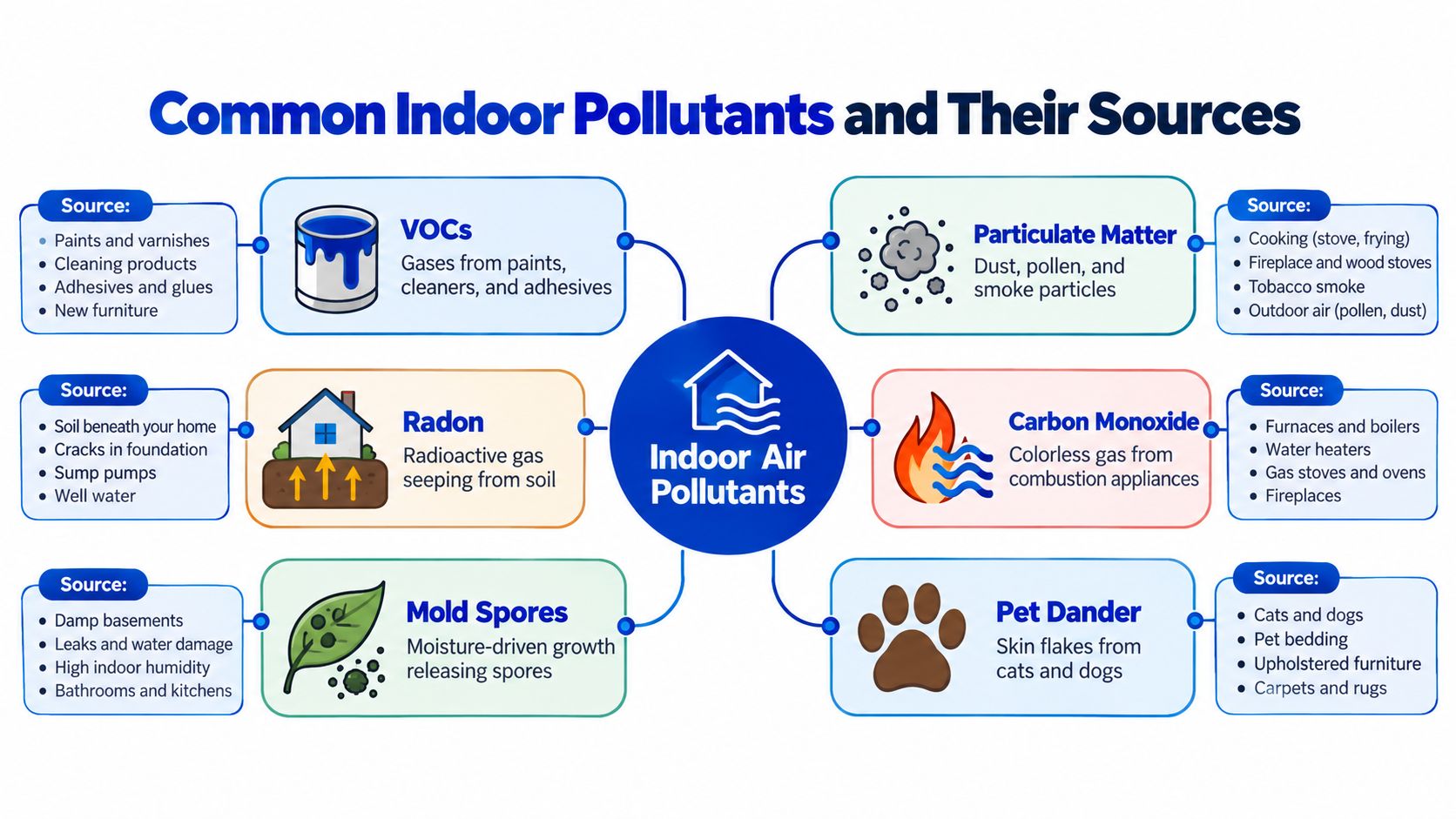
Particulate matter often comes from cooking, fireplaces, tobacco smoke, outdoor pollution, and wildfire smoke. Fine particles can reach deep into the respiratory tract, so a careful assessment asks two questions at once. What is being generated indoors, and what is leaking in from outdoors through doors, windows, ducts, and the building shell?
Carbon monoxide forms during incomplete combustion. Gas appliances, fireplaces, and other fuel-burning equipment can create danger if venting is blocked, operation is poor, or maintenance has been missed. CO has no color and can become lethal quickly at high indoor levels. A CO alarm helps warn occupants, but it does not diagnose the source or replace inspection of the equipment involved.
VOCs are gases released by paints, coatings, adhesives, flooring, furnishings, and cleaning products. They do not behave like a single pollutant with one obvious test. The right approach depends on the suspected source, when the odor or irritation occurs, how the space is used, and whether ventilation changes through the day. A broad air sample can miss an intermittent source or one hidden in stored materials, wall cavities, or recently used products.
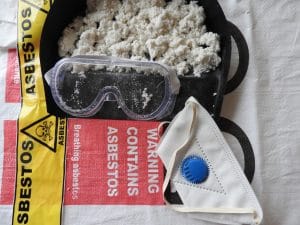
Mold-related contaminants need moisture context before sampling results mean much. Leaks, condensation, humidity problems, and wet materials can all support microbial growth. Air and surface samples may help describe conditions, but they are only part of the picture. Inspection findings, moisture measurements, visible damage, and building history are what make those results interpretable. The same caution applies to asbestos and lead. Consumer IAQ devices do not confirm those hazards, and concern about suspect materials usually calls for targeted professional testing rather than general air screening.
Radon and other soil gases enter through cracks, joints, crawl spaces, and other openings that connect the building to the ground. The Environmental Protection Agency's indoor-air-quality guidance lists radon among common indoor pollutants and notes that source control is generally the most effective way to reduce indoor pollution.
Ventilation advice often misses this source-by-source logic. Opening a window may dilute indoor emissions when outdoor air is cleaner, or it may bring in smoke and traffic particles. Exhaust fans only help when they capture pollutants and discharge outdoors as intended. Paint and renovation products deserve the same practical view. Lower-emission choices can reduce one source, and homeowners who want product guidance can learn how to improve indoor air quality with paint. If concerns continue after those changes, targeted VOC testing or a broader environmental assessment can help determine whether another source is driving the problem.
Health Impacts of Poor Indoor Air Quality
Poor indoor air can affect people differently depending on the pollutant, concentration, duration, ventilation, and individual susceptibility. A person with asthma may react to particles or irritants that another occupant barely notices. Children, older adults, and people with cardiopulmonary conditions may be more vulnerable to sustained exposure.
Short-term effects can include irritation of the eyes, nose, throat, and airways. People may also notice coughing, congestion, headaches, fatigue, or worsening allergy and asthma symptoms. These signs aren't diagnostic, and medical evaluation remains important, but a pattern that improves away from a building or worsens after a particular activity can help guide an environmental assessment.
What the global evidence shows
WHO reported that 99% of the global population in 2021 lived in areas where air-pollution exposure increased the risk of diseases including heart disease, stroke, COPD, cancer, and pneumonia. Its estimate attributed 6.6 million deaths in 2021 to combined ambient and household air pollution. These figures concern broad air-pollution exposure, but they reinforce why repeated exposure deserves attention in homes, schools, workplaces, and healthcare settings. (WHO overview of global air pollution)
Household air pollution has a particularly direct relationship with indoor exposure. WHO estimates that it contributes to approximately 44% of pneumonia deaths among children younger than five, while also contributing to chronic disease in adults. Exposure from combustion isn't the only concern in Los Angeles, but it illustrates why pollutant identification matters more than relying on odor or appearance.
Health questions need environmental questions
If a resident reports repeated symptoms, the investigation should ask:
- Where does it happen? Compare rooms, floors, work areas, and occupied versus unoccupied spaces.
- When does it happen? Record cooking, cleaning, HVAC operation, renovation, wildfire smoke, and moisture events.
- Who is affected? Note whether children, older adults, allergy sufferers, or people with asthma experience different patterns.
- What changed? New flooring, painting, water intrusion, fire damage, or altered ventilation can redirect the investigation.
Mold concerns often create anxiety, but a positive sample doesn't by itself establish a medical diagnosis or dictate a particular response. For background on the health question, see can black mold make you sick. Professional mold inspections and sampling can characterize the building condition, while healthcare professionals address individual symptoms.
DIY Monitors vs Professional Environmental Testing
A low-cost monitor can be useful, but its display isn't a certificate of safety. Consumer sensors may track changes in particulate matter, carbon dioxide, humidity, or temperature. They can help show that cooking raises particles, that a room has poor air movement, or that conditions change when an air cleaner operates.
Recent evidence indicates that low-cost sensors can correlate with reference instruments under controlled or semi-controlled conditions, particularly for particulate matter and carbon dioxide. However, most consumer devices don't meet government standards or legal-compliance requirements, and a green screen may reflect only what the device detects. (Evidence on low-cost indoor sensors)
What a home monitor can and can't tell you
A monitor may miss mold-related hazards, asbestos fibers, lead, specific VOCs, or combustion gases. It may also be affected by placement, humidity, calibration, detection limits, maintenance, and the timing of a reading. A reading from a bedroom does not characterize a crawl space, wall cavity, attic, or damaged material elsewhere in the property.
Use a DIY device for trend tracking, not final interpretation. A useful record includes date, time, room, activities, windows and doors, HVAC status, cooking, cleaning, wildfire conditions, and visible moisture. That context can help an environmental consultant decide whether targeted sampling is appropriate.
What professional testing adds
Professional environmental testing starts with questions about the property and the suspected source. Depending on the concern, an assessment may involve:
- Inspection: Review visible conditions, moisture, building materials, combustion equipment, ventilation, occupancy, and pathways of entry.
- Sampling design: Select air, surface, bulk, dust, or material samples based on the hazard and decision the client needs to make.
- Laboratory analysis: Submit samples with appropriate documentation and chain of custody to identify or quantify the target contaminant.
- Interpretation: Compare results with the inspection findings and project requirements rather than treating one number as the entire building story.
- Reporting: Provide clear documentation for owners, contractors, property managers, insurers, real estate professionals, or regulatory needs.
The distinction matters before renovation, after water or fire damage, during a real estate transaction, and whenever a contractor needs defensible information. As a practical companion, learn how to test for air quality in your home before choosing a sampling approach.
Mitigation Strategies and Ventilation Best Practices
A good mitigation plan starts with a simple question: what is being added to the air, and how quickly is it being removed? Indoor air behaves like water in a sink. If the faucet keeps running, opening the drain a little may not keep up. In the same way, ventilation helps, but it cannot reliably solve an active source on its own. The usual order is source control first, ventilation second, filtration or air cleaning as support.
Start with the source
Pollutants accumulate when emissions continue in a confined space. A leaking pipe can keep materials damp. A damaged flue can keep combustion byproducts in the building. A recently applied coating can keep releasing chemicals long after the work crew leaves. In each case, the first fix is to stop the input.
That can mean repairing moisture intrusion, removing or isolating water-damaged materials, correcting where exhaust discharges, maintaining mechanical ventilation, or changing work practices that release contaminants indoors. This matters for homes and for commercial buildings. In a commercial property, the source may be tied to a maintenance shop, loading area, janitorial closet, renovation zone, or a shared HVAC system that moves contaminants from one area to another. Industrial hygiene testing can help relate airborne contaminants to tasks, timing, worker locations, and the controls already in place.
Adapt ventilation to the event
Ventilation is context-dependent. Under ordinary conditions, outdoor air and properly working kitchen and bathroom exhaust can reduce indoor buildup. During wildfire smoke, the same open window that helps on a clear day may bring particles indoors faster than your system can remove them. During an infectious-disease event, the answer is also not as simple as opening or closing everything, because airflow pathways, filtration, occupancy, and HVAC operation all affect exposure.
The EPA's 2025 ASPIRE study is examining how indoor and outdoor PM2.5 interact during wildfire events, along with filtration, air cleaners, and operating conditions that affect performance. (EPA ASPIRE research)
A practical response is to match the strategy to the event:
- Check outdoor conditions: Consider smoke and other outdoor pollution before opening windows.
- Verify the system: Confirm that HVAC equipment, filters, outdoor-air intakes, and exhaust fans are working as intended.
- Filter appropriately: Use filters the equipment can handle, and replace them based on system needs and observed loading.
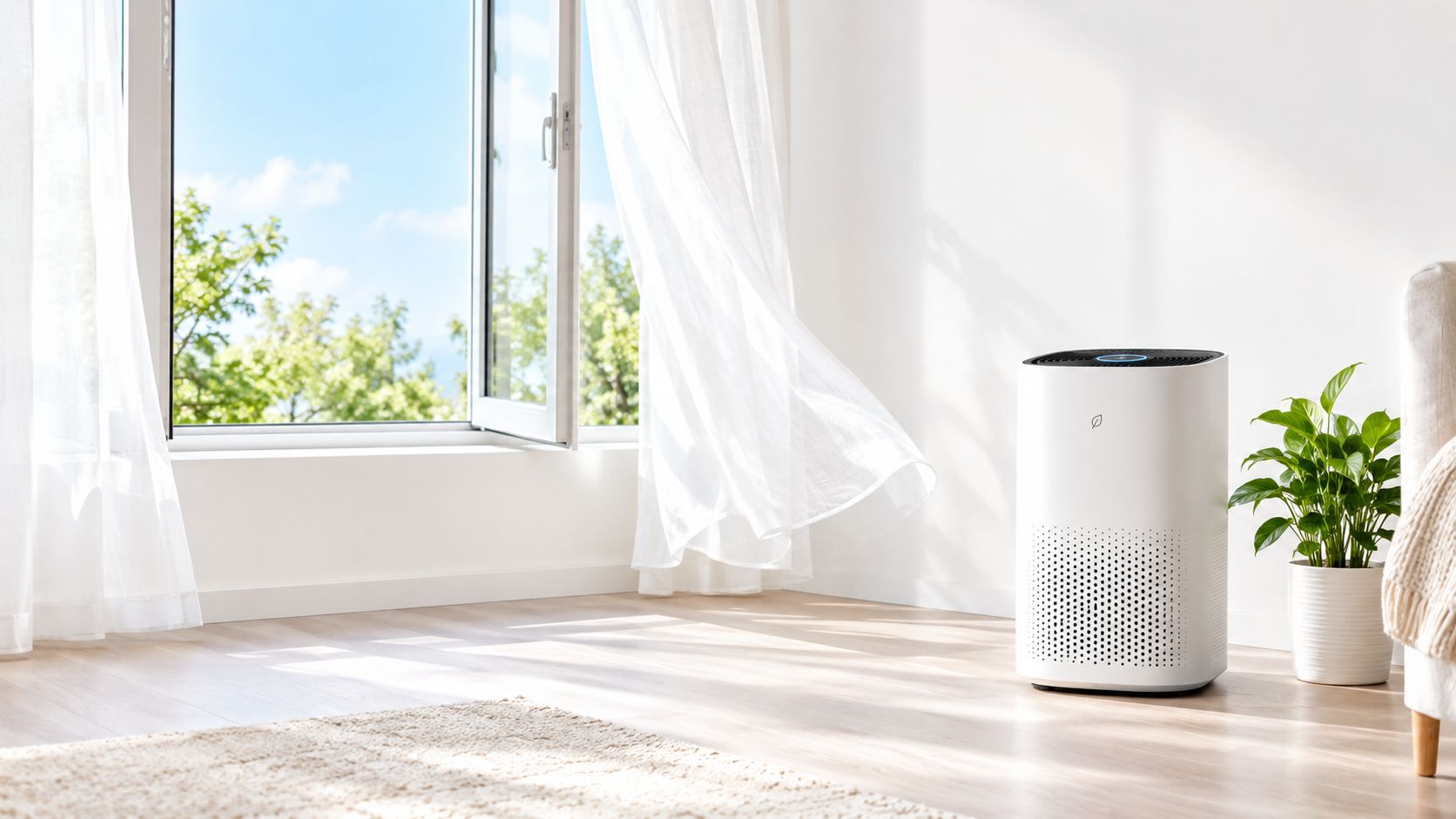
- Use air cleaners with a purpose: Put them where people spend time, keep airflow unobstructed, and match the unit to the room.
- Reassess after changes: Consumer monitors can show trends, but persistent moisture, mold, asbestos, or lead concerns may call for professional environmental testing rather than more gadgets.
When to Call a Professional for IAQ Assessment
Professional testing is appropriate when the answer must be more defensible than a consumer display or visual impression. That includes persistent symptoms, unexplained odors, visible or suspected mold after water damage, renovation in an older building, fire or wildfire residue, and commercial complaints involving multiple occupants.
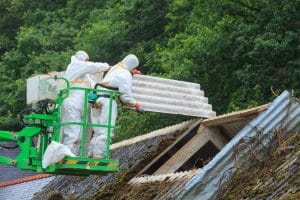
A pre-renovation assessment may need more than IAQ sampling. If walls, ceilings, flooring, insulation, or other materials will be disturbed, asbestos and lead inspections may be necessary. In the South Coast Air Quality Management District, Rule 1403 requires a thorough asbestos survey before affected demolition or renovation work begins. The survey must identify and, when necessary, sample friable and specified non-friable asbestos-containing materials, including affected flooring layers and materials in wall or ceiling cavities. (SCAQMD Rule 1403)
For certain single-unit residential renovation projects, SCAQMD identifies an exception when removal or stripping involves less than 100 square feet of asbestos-containing surface material. There is no comparable exception for demolition, and damaged or disturbed asbestos-containing material may require a Procedure 5 plan regardless of project size. (SCAQMD compliance advisory)
Testing after fire or major damage
Fire-damaged properties may contain ash, soot, char, smoke residue, combustion byproducts, asbestos, lead, and heavy metals. A post-fire environmental assessment can identify which materials and media require sampling. SCAQMD directs owners and project teams to obtain an asbestos survey from a Certified Asbestos Consultant when debris or remaining structures may contain asbestos. (SCAQMD asbestos demolition and removal guidance)
Sensitive Environmental provides residential and commercial IAQ testing, mold inspections and sampling, asbestos surveys, lead testing, fire-residue and combustion-byproduct testing, environmental assessments, and industrial hygiene testing. For a property in Los Angeles or Southern California, review indoor air quality testing in Los Angeles and discuss the suspected source, building history, occupants, and documentation needs before collecting samples.
Contact Sensitive Environmental to discuss professional indoor air quality testing, targeted mold or VOC sampling, combustion-byproduct assessment, and related asbestos or lead inspections in Los Angeles and Southern California. Share any water damage, wildfire exposure, renovation plans, symptoms, odors, or monitoring records so the team can help determine an appropriate inspection and laboratory testing approach.