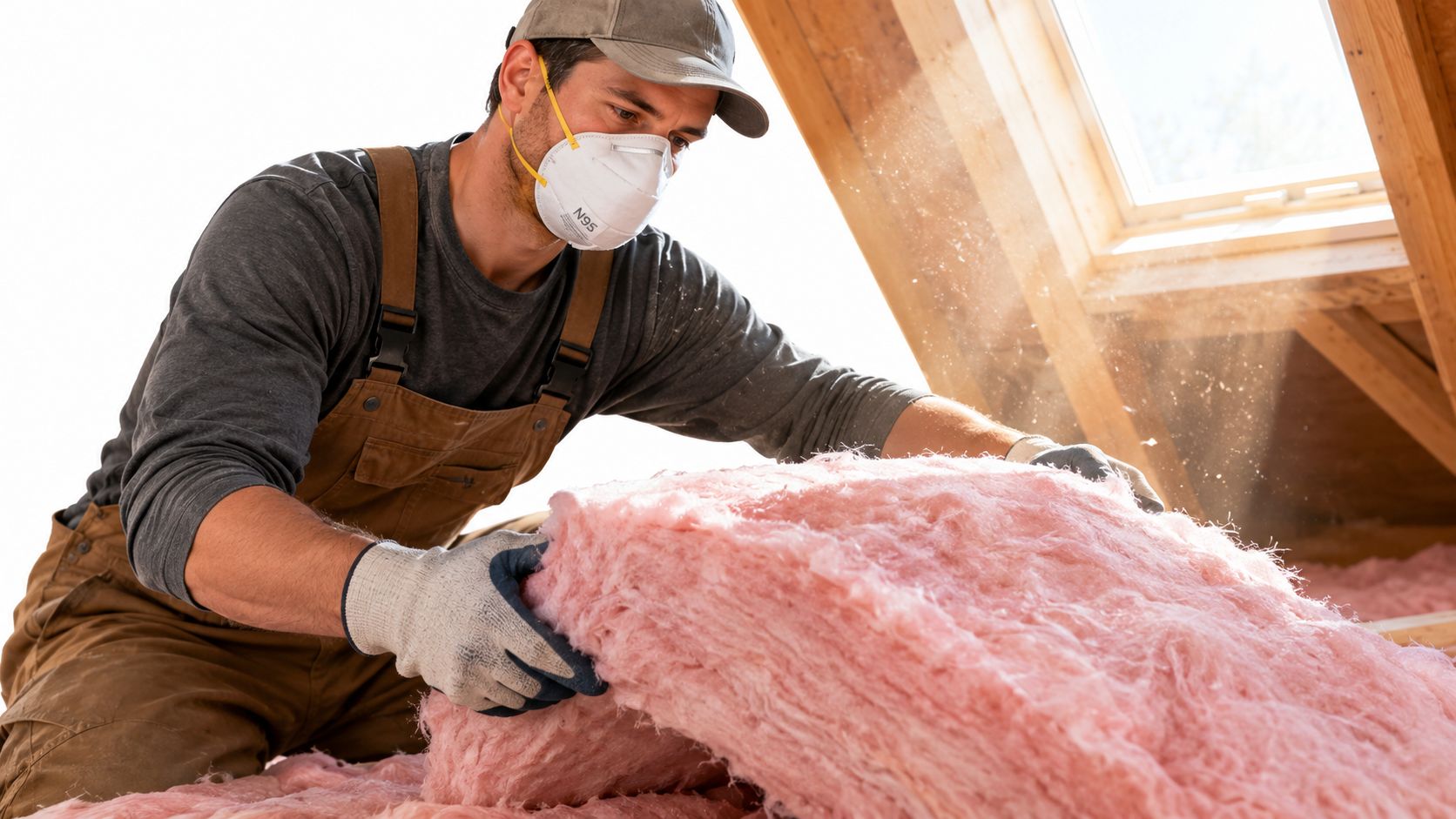
You're overseeing an attic HVAC repair in Los Angeles when the contractor lifts a section of insulation and fine dust drifts into the work area. A little later, someone reports a scratchy throat. That's understandably concerning, but visible dust and symptoms alone can't tell you what was airborne, how much was inhaled, or whether the material needs further investigation.
With fiberglass dust inhalation, the practical question is not whether insulation is present. It's whether work disturbed fibers, what the exposure conditions were, and whether appropriate sampling can help clarify the next step. Brief contact with intact insulation differs from sustained, dusty work or the mechanical cutting of fiberglass-reinforced plastic.
Table of Contents
- Recognizing Fiberglass Exposure Scenarios
- Understanding Exposure Limits and Fiber Types
- Health Symptoms and Long-Term Risk Assessment
- Professional Air Sampling Methodology
- Effective Prevention and Cleanup Protocols
- When to Schedule Environmental Testing
- Common Questions About Fiberglass Safety
Recognizing Fiberglass Exposure Scenarios
Routine property work can turn a quiet material into an airborne dust concern. A technician may disturb attic insulation while reaching an HVAC unit; a contractor may open an older partition wall during renovation; or a fire-damaged ceiling may leave insulation exposed and vulnerable to movement. The relevant issue is the activity and its conditions, not just the material's presence.
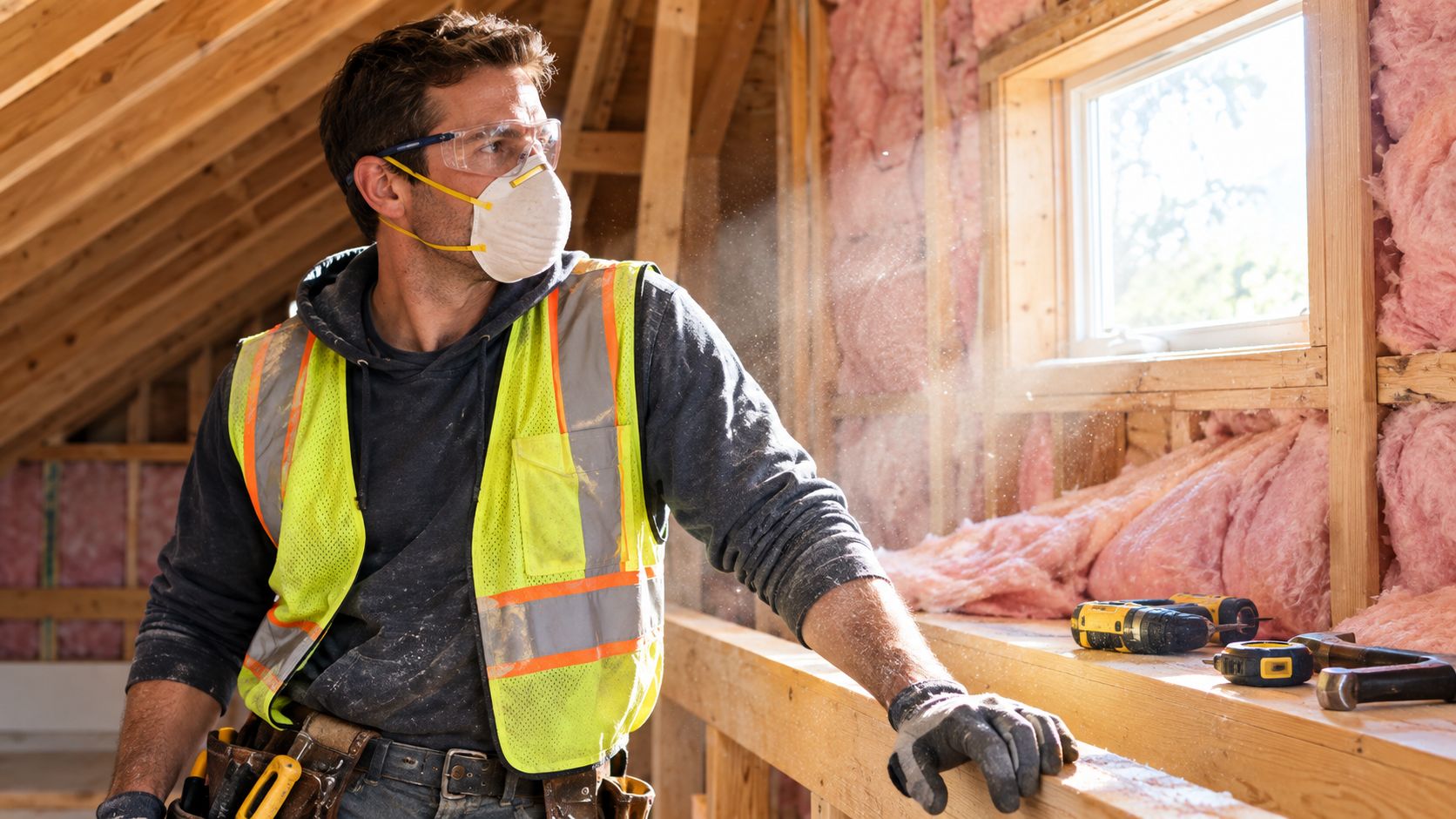
Handling an intact batt carefully is different from cutting, sanding, tearing, or mechanically disturbing insulation. Sanding fiberglass-reinforced plastic can also create airborne material, and its dust shouldn't be assessed using assumptions meant for ordinary insulation handling. In each case, the work method, ventilation, duration, worker location, and material condition affect what an exposure assessment should address.
Visible dust does not tell the whole story
Fiberglass dust is a heterogeneous aerosol. It can include larger fragments, smaller particles, and elongated fibers, so a cloud of visible dust doesn't tell you how much material is respirable or what a specific sampling method would find. Conversely, a room that looks clean can still require assessment if the work was dusty or people have ongoing concerns.
The dominant established short-term response to fiberglass inhalation is mechanical irritation, not a specific systemic toxic syndrome. The ATSDR toxicological profile notes that fibers below 3 µm are generally considered respirable in humans. That's one reason activity matters: sawing, sanding, demolition, or disturbing damaged insulation can generate a different exposure scenario from being near intact material.
Practical rule: Record what was disturbed and how the work was done before drawing conclusions from symptoms or visible dust.
For property owners, contractors, and facility managers, that record can help determine whether routine observation is enough or whether professional industrial-hygiene sampling is warranted. It also helps separate a short-lived irritation concern from a worksite exposure question that deserves documentation.
Understanding Exposure Limits and Fiber Types
Exposure limits are useful reference points, but they don't all measure the same thing. A mass concentration of dust is not interchangeable with a count of fibers meeting specific size criteria. Comparing a lab result with a limit that uses a different measurement basis can lead to a misleading interpretation.
OSHA lists 5 mg/m³ for the respirable fraction of synthetic vitreous fibers and 15 mg/m³ for total dust when regulated as inert or nuisance dust. The OSHA exposure-limits page also identifies a voluntary 1 fiber/cm³ limit for fiberglass and mineral wool. These are occupational reference values, not guarantees that an exposure below them is risk-free.
| Metric | OSHA PEL | NIOSH REL | Measurement basis |
|---|---|---|---|
| Respirable dust or synthetic vitreous fibers | 5 mg/m³ | Not listed as a matching mass metric in the cited guidance | Mass concentration |
| Total dust or nuisance dust | 15 mg/m³ | 5 mg/m³ for total fibrous-glass dust | Mass concentration |
| Fibers meeting specified size criteria | OSHA's fibrous-glass data page includes a 1 fiber/cm³ PEL entry | 3 fibers/cm³ for fibers no greater than 3.5 µm in diameter and at least 10 µm long | Microscopy-based fiber count |
The NIOSH Pocket Guide specifies the fiber-count criteria and a total-dust recommendation. Gravimetric sampling measures collected mass, but it doesn't necessarily describe fiber dimensions. Microscopy-based counting can characterize fibers that meet defined dimensional criteria, but it isn't a substitute for measuring all dust. The sampling and analysis method should match the question being asked.
What the cancer classifications do and don't say
The cancer-risk question calls for precision, not a blanket reassurance or warning. In its 2002 review, IARC concluded that insulation glass wool, rock wool, slag wool, and continuous glass filament were generally in Group 3, “not classifiable as to carcinogenicity to humans,” because human evidence was inadequate. The review did not place all glass fibers in one category: certain special-purpose fibers were treated differently from common insulation glass wool. ATSDR's profile covering carcinogenicity summarizes this distinction.
Exposure limits don't replace dust controls, and they don't certify that an indoor space is safe. They help organize occupational assessment when the sampling method, fiber type, and work conditions are understood. For a Southern California project, the useful question is which exposure metric fits the task and what evidence the assessment needs to produce.
Health Symptoms and Long-Term Risk Assessment
Fiberglass irritation usually presents as a local response where fibers contact the body. ATSDR describes symptoms associated with fibrous glass exposure that include nasal itching or congestion, nosebleed, sore throat, cough, and laryngeal irritation. Those symptoms can be uncomfortable, but they don't by themselves establish permanent lung damage.
Risk assessment depends on dose, duration, fiber dimensions, durability, and the work performed. A brief household disturbance isn't the same exposure scenario as repeated occupational cutting or sanding. Animal studies involving repeated inhalation of high concentrations have produced lung inflammation and fibrosis, but those findings shouldn't be treated as a direct prediction of what will happen after any single exposure.
A practical way to respond to symptoms
If someone develops irritation during dusty work, the immediate sensible step is to leave the area and avoid disturbing the material further. Seek medical evaluation for persistent cough, wheezing, chest tightness, breathing difficulty, or symptoms that don't settle after exposure stops. A healthcare provider can assess symptoms; environmental sampling addresses what may be present in the building or work area.
For occupants and contractors looking for practical ways to reduce renovation dust movement, these ventilation tips for renovation dust may help with general planning. Ventilation choices should still be matched to the work area and dust-control plan, rather than treated as a replacement for exposure assessment.
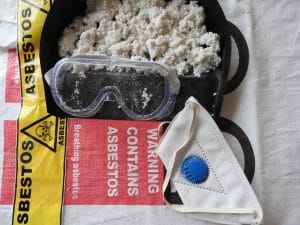
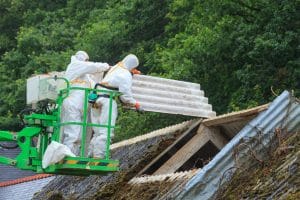
Fiberglass shouldn't automatically be equated with asbestos. The materials and their hazard classifications differ, so a test for one doesn't answer questions about the other. Property owners who need to understand the separate hazard and why it matters can review this explanation of why asbestos is dangerous.
The balanced conclusion is straightforward: irritation can be real, and persistent symptoms deserve attention, but symptoms alone can't establish the level or extent of exposure. When concerns remain after a disruptive project, document the activity and consider whether targeted sampling would provide useful evidence.
Professional Air Sampling Methodology
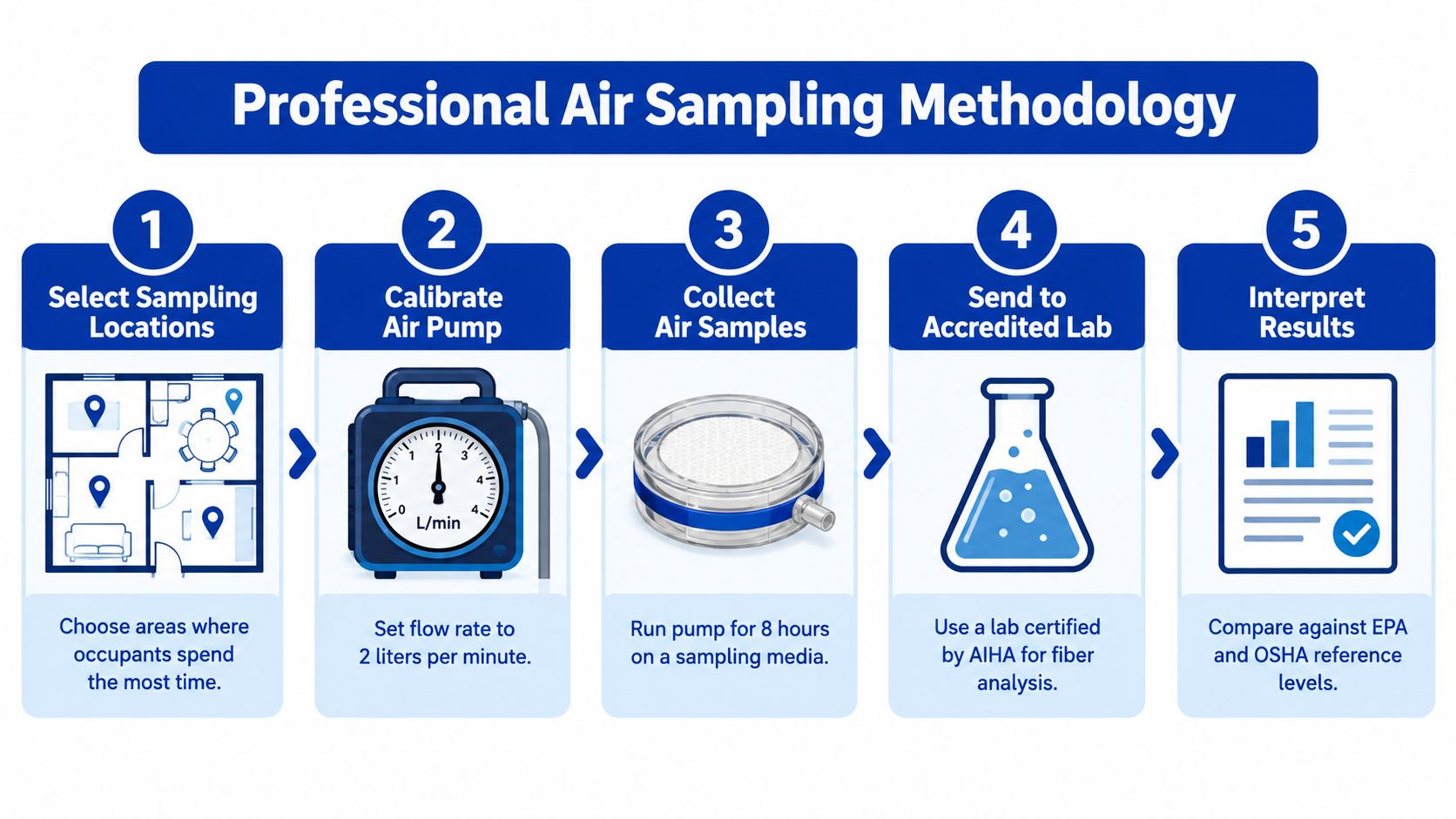
A visual inspection can identify disturbed insulation, dust deposits, and likely sources, but it can't measure airborne fiber concentration. Professional sampling starts with a defined question: is the goal to characterize worker exposure during a task, assess a specific occupied area, or document conditions after disturbance? The answer guides where and how samples are collected.
What makes a sample interpretable
OSHA's published fiberglass sampling parameters specify a 25-millimeter mixed-cellulose-ester filter with a 0.8-micrometer pore size. The OSHA fiberglass sampling information lists recommended flow rates from 0.5 to 5.0 liters per minute. The appropriate setup depends on the sampling objective and analysis; a pump setting or duration should not be copied from an illustration without considering the actual method.
A defensible assessment documents the material type, disturbance activity, duration, ventilation, worker or occupant location, sampler, flow rate, and laboratory method. These details let the reviewer understand what the sample represents and which exposure benchmark, if any, is appropriate for comparison. A sample without its context may produce a number that's difficult to apply to the decision at hand.
DIY kits can be a poor fit when a property owner needs method-specific documentation or results suitable for a commercial project record. A professional can select the sampling strategy and arrange laboratory analysis that matches the question. For homeowners trying to understand the broader process of indoor air assessment, this guide to testing air quality at home offers related context.
Results don't diagnose a health condition or automatically require remediation. They provide evidence about sampled conditions, which owners and qualified professionals can use to consider next steps. That distinction matters after renovation, when responsibility for the work or the adequacy of controls is disputed.
Effective Prevention and Cleanup Protocols
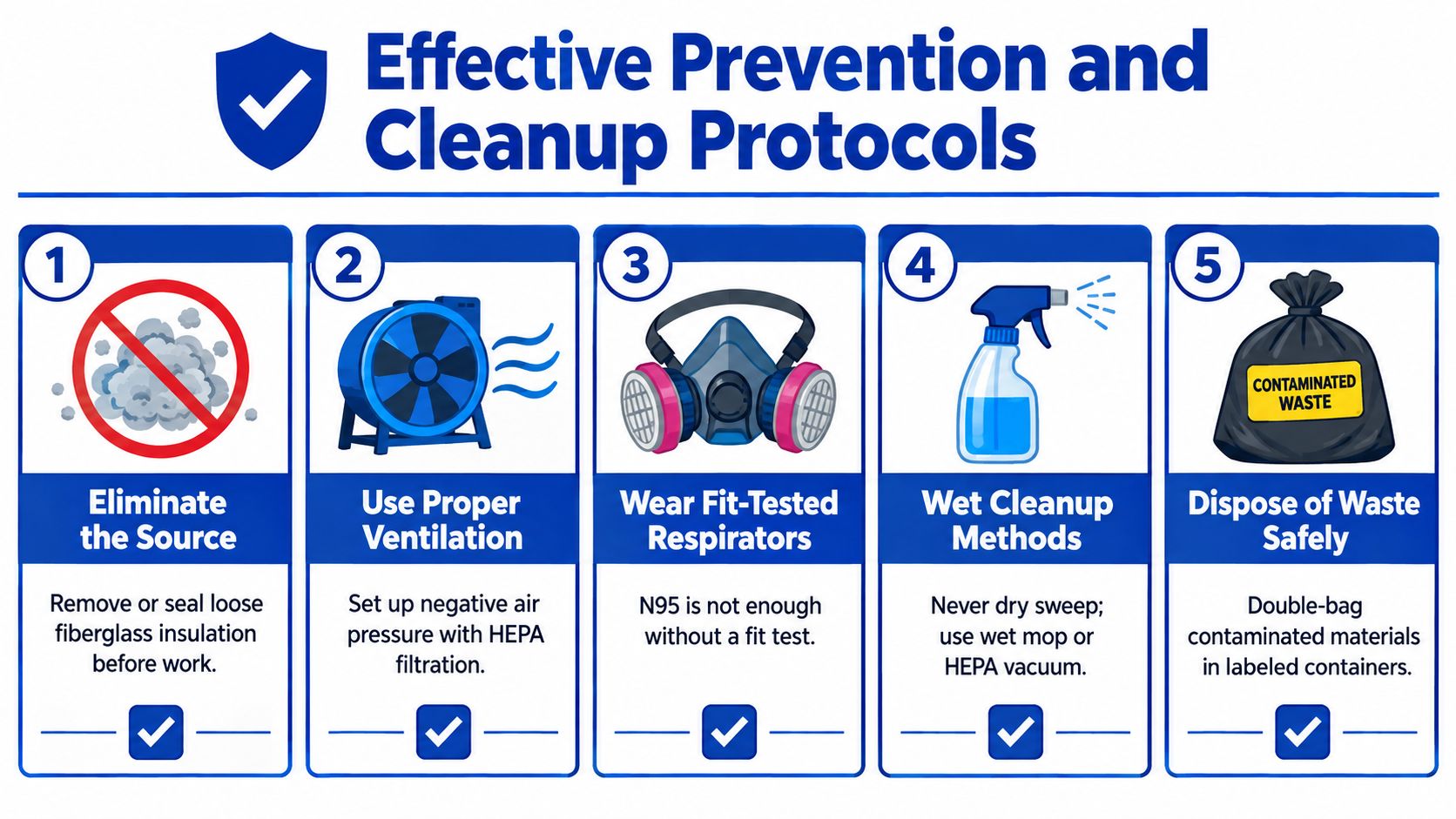
A respirator alone isn't an exposure-control plan. Personal protective equipment can be one part of the response, but it doesn't prevent dust from spreading through a work area or tell you what remains airborne. Prevention works better when the source, work method, ventilation, and cleanup are considered together.
Match controls to the work
Illinois public-health guidance recommends an N95, ventilation, light water misting during removal, and a HEPA-filtered shop vacuum. It also cautions that visual cleanliness can't establish airborne concentrations. See the Illinois fiberglass guidance for those control recommendations. Respirator selection and fit should follow applicable workplace requirements and task conditions, not assumptions that one mask suits every situation.
Dry sweeping and uncontrolled compressed air can put settled dust back into the air. Where feasible, use low-dust work methods, isolate the area, and plan appropriate ventilation and HEPA-filtered cleaning. Cutting or sanding fiberglass-reinforced plastic can create a different dust profile from handling insulation, so a generic insulation checklist may not fit that work.
For temporary air filtration during a project, property owners may compare suitable options such as dust purifiers from EcoQuest Purifiers. A portable purifier doesn't replace source control, suitable work practices, or professional assessment when the exposure is disputed or the space is sensitive.
The goal is to control the work and document the outcome, not to promise a hazard-free space based on appearance. If the question concerns disposal of a different regulated material, including asbestos, follow material-specific rules rather than applying fiberglass procedures; this overview of asbestos disposal considerations explains why separate guidance matters.
When to Schedule Environmental Testing
Professional testing makes sense when it can resolve a real decision, not because fiberglass exists in a building. Consider an assessment after high-dust renovation, demolition, sanding, or fire damage; when occupants report persistent concerns in a shared space; or when a contractor's work and the resulting dust conditions are disputed. Commercial owners and facility managers may also need a documented assessment to support project records and communicate clearly with tenants or employees.
Don't overlook asbestos compliance
Fiberglass concerns can overlap with renovation work involving other materials. SCAQMD Rule 1403 requires an onsite asbestos survey before renovation or demolition, and if asbestos-containing material is damaged or disturbed, a Procedure 5 cleanup plan is required regardless of project size. The SCAQMD compliance advisory describes these requirements. Fiberglass sampling doesn't replace an asbestos survey, and suspected asbestos requires the applicable inspection and compliance process.
A professional assessment can help identify what material or airborne contaminant is relevant, select appropriate sampling, and provide clear reporting. Depending on the property concern, broader environmental testing may involve asbestos, lead, mold, indoor air quality, VOCs, or fire-related ash, soot, and combustion byproducts. The scope should follow the observed conditions and the decision the owner needs to make.
For Los Angeles-area projects, consult an environmental testing professional before disturbance when the material is uncertain, the work will generate substantial dust, or compliance documentation is needed. Testing results inform next steps. They don't automatically mean remediation or abatement is required.
Common Questions About Fiberglass Safety
Is fiberglass testing the same as asbestos testing?
No. They address different materials and require methods suited to the question. A fiberglass air sample doesn't satisfy a required asbestos survey.
Can a home test kit settle a contractor dispute?
Not necessarily. Ask whether the method, laboratory analysis, and documentation match the decision you need to support. Professional sampling is often more appropriate when results must be interpreted in the context of work conditions.
What happens during an industrial-hygiene assessment?
The consultant reviews the material and activity, selects sampling locations and methods, documents conditions, and arranges analysis where appropriate. The report helps explain what the findings can and can't establish.
If renovation, demolition, or damaged insulation has raised concerns about fiberglass dust in your Los Angeles or Southern California property, Sensitive Environmental provides professional environmental testing, inspections, sampling, laboratory analysis, and clear reporting. Contact Sensitive Environmental to discuss whether fiberglass or related asbestos, indoor air quality, or other environmental testing fits your situation.