A Pasadena closet smells musty after a week of winter rain, and the paint along the baseboard is soft. Across the county, a Long Beach contractor is about to open walls in a 1960s building for a tenant improvement. Both people search for an environmental inspection near me because they need a decision, not a generic walkthrough.
That search only helps if the firm can name the hazard, sample it the right way, and return a laboratory report a buyer, insurer, property manager, or general contractor can use. Clean-looking surfaces after wildfire smoke are not proof the air is fine, and a casual property look is not the paperwork a renovation needs.
Table of Contents
- When a Nearby Environmental Inspection Is the Right Call
- Match the Building Problem to the Right Test
- Hire the Right Firm and Read the Results
- Credentials and the Report a Project Can Use
- Book the Test That Matches the Building
When a Nearby Environmental Inspection Is the Right Call
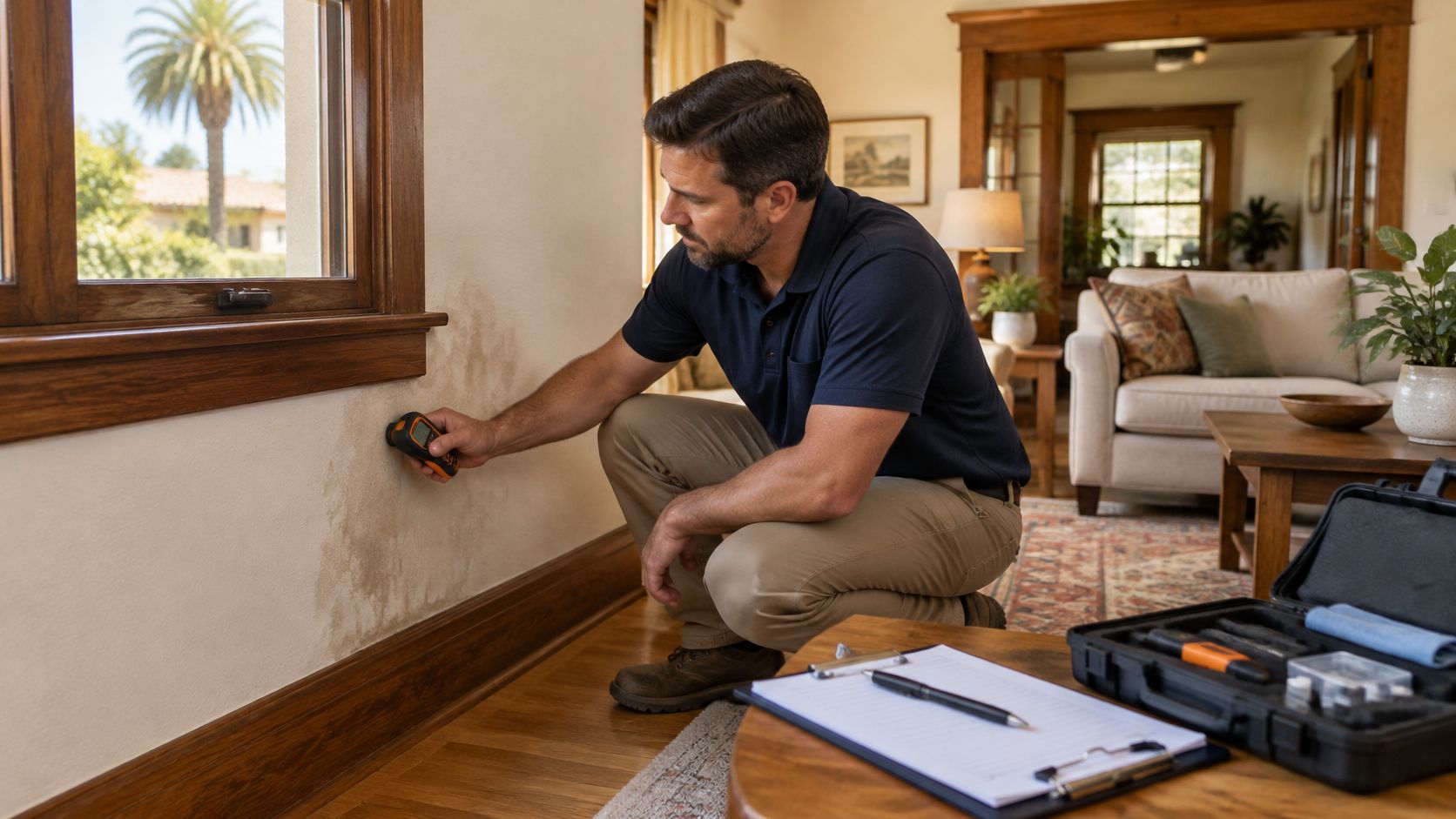
Start with the Pasadena closet. The owner wipes the wall, runs a fan, and hopes the smell fades. It doesn't. Moisture is still in the gypsum, and visible growth may be only part of the story. A useful visit looks for the wet material, maps how air moves, and samples only where a defined question needs a lab answer. That is mold testing in Los Angeles, not a promise to tear the closet out.
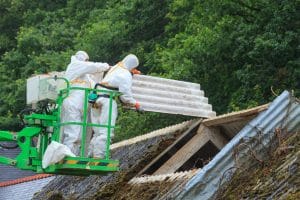
Now the Long Beach job. The building predates modern material bans, and the scope includes drywall, flooring, and pipe insulation. Opening those materials without a survey can turn a remodel into a compliance problem. The right call is an inspection that identifies suspect materials before anyone cuts them.
An environmental inspection near me means inspection, assessment, sampling, and laboratory analysis. It is not mold removal, asbestos removal, demolition, or restoration. We document conditions and hand you results. Qualified people use those results to decide what happens next. A positive finding does not, by itself, order a cleanup.
Common triggers, with no ranking yet, look like this.
- Water: a leak, a stain, or visible growth.
- Paint: a home built before 1978, especially a rental or a sale.
- Work: renovation or demolition that will disturb building materials.
- Air: stale rooms, odors, or weak ventilation in a house or a workplace.
- Smoke: wildfire ash or a reoccupancy question after a fire.
- A purchase: a commercial building with more than one unknown.
Indoor air can justify testing even when nothing looks damaged. The U.S. Environmental Protection Agency states that indoor levels of some pollutants are commonly two to five times higher than outdoor levels, and can occasionally be more than 100 times higher. The same materials note that dampness and mold increase the risk of asthma and related respiratory outcomes in homes by about 30% to 50%. A stuffy office, school, hospital, or apartment belongs in the same frame as a house.
If the closet smell is also making someone ill, building sampling and a medical workup answer different questions. Sunridge Medical's guide to mold evaluation describes what a careful, evidence-informed clinical review looks like, which is separate from a property report.
Practical rule: Book the test that matches the trigger. A single “everything” panel rarely answers the question a buyer or a contractor is asking.
Our mold testing in Los Angeles work starts with moisture and growth, then uses targeted samples when they change the decision. The next step is matching each trigger to one test instead of ordering a generic panel.
Match the Building Problem to the Right Test
| Situation | Request this test | Typical client | What results can show |
|---|---|---|---|
| Musty odor, water stain, or recent leak | Mold inspection and targeted sampling | Homeowners, landlords, property managers | Presence, location, and whether moisture is still driving growth |
| Home built before 1978, peeling paint, rental, or sale | Lead paint inspection and dust or surface sampling | Buyers, landlords, renovators | Whether paint or dust contains lead |
| Renovation or demolition that will disturb materials | Pre-renovation or pre-demolition asbestos survey | Contractors, developers, owners | Which materials contain asbestos, their condition, and whether they are friable |
| Odors, headaches, or poor ventilation | Indoor air quality testing; VOC testing if a source is suspected | Facility managers, schools, offices, homeowners | Whether a defined indoor condition is measurable |
| Wildfire smoke, ash, or reoccupancy question | Combustion byproduct testing for ash, soot, char, and metals | Insurers, multifamily, commercial managers | Whether residues include fire-related contaminants worth further decisions |
| Several concerns in one commercial property | Commercial environmental or industrial hygiene assessment | Property managers, HOAs, developers | Documentation tied to the actual occupancy and work scope |
Pick the row that matches the building. One problem gets one test.
Water points to mold. Homeowners, landlords, and people sent by restoration companies need a visit that looks for moisture and growth. If you smell mold, see it, or have a water leak, mold may already be present. Visible mold often does not need air samples, because there is no federal airborne mold limit. Results can show where growth is and whether moisture is still feeding it. They guide drying and repair decisions. They do not, by themselves, require a removal contract.
Older paint points to lead. The Agency for Toxic Substances and Disease Registry, citing HUD, reports that roughly 35% of American homes contain some lead-based paint, and that 83% to 86% of homes built before 1978 contain it. That share matters across older Los Angeles County stock, from single-family houses in the San Gabriel Valley to small commercial buildings. Peeling paint, a rental turnover, or a sale is a reason for a lead paint inspection plus dust or surface sampling. Eyes cannot tell lead paint from ordinary paint. Lab results say whether paint or dust contains lead so owners and renovators can plan containment and documentation.
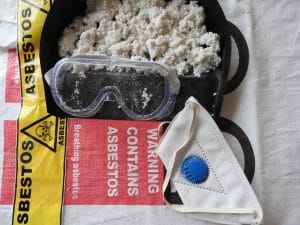
Disturbance points to asbestos. If renovation or demolition will cut, sand, or demolish materials, you need a pre-renovation or pre-demolition asbestos survey, not a one-room clearance. Our asbestos testing in Los Angeles covers identification, certified sampling, laboratory analysis, and surveys sized to the work. Results name which materials contain asbestos, their condition, and whether they are friable. Friable means the material can be crumbled by hand pressure and release fibers more readily. That record helps contractors plan. It is not an order to abate every material in the building.
Complaints about air point to indoor air quality testing. Headaches, odors, or weak ventilation in a home, office, school, or clinic can justify indoor air quality testing. Add VOC testing only when a source is suspected, such as new cabinets, adhesives, or a chemical odor after a remodel. Office managers sorting odd smells can use a plain explainer on identifying sources of office air pollution to list candidates before anyone samples. Results show whether a defined indoor condition is measurable. They do not certify the whole building as healthy.
Smoke points to combustion byproducts. After wildfire smoke or ash, combustion byproduct testing looks for ash, soot, char, and metals. Insurers and multifamily or commercial managers use that file when reoccupancy is the question. A clean windowsill is not the test.
Stacked problems point to a broader assessment. When one commercial property has moisture, old materials, and occupancy complaints together, commercial environmental testing or an industrial hygiene assessment ties documentation to who occupies the space and what work is planned.
Sensitive Environmental's testing line covers asbestos, mold, lead, indoor air quality, commercial environmental testing, and CBP testing. Each result set is a decision tool, not a removal order.
Hire the Right Firm and Read the Results
Treat hiring like a scoped investigation. A nearby listing is only a starting point.
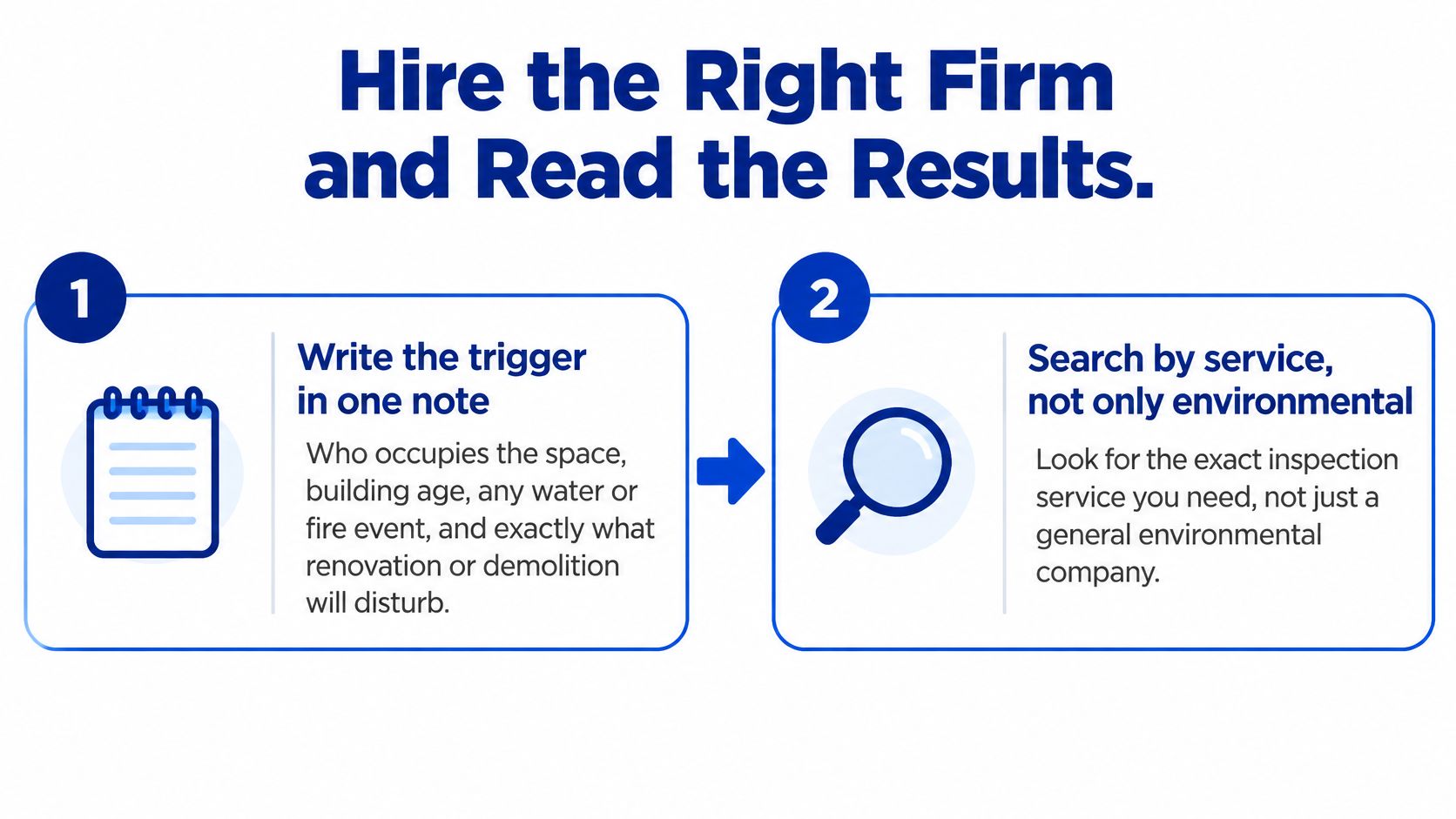
- Write the trigger in one note. Who occupies the space, how old the building is, any water or fire event, and exactly what renovation or demolition will disturb. A Glendale office with a new-carpet odor is a different job from a Santa Monica bungalow with a slab leak.
- Search by the service, not only the phrase. Look for mold testing Los Angeles, asbestos survey Los Angeles, lead testing Los Angeles, indoor air quality testing Los Angeles, or wildfire contamination testing. Add the city when it matters: Pasadena, Glendale, Long Beach, Santa Monica, or another Los Angeles County community.
- Keep firms that inspect, sample, use a laboratory, and report. Set aside pitches that lead with removal or cleanup. The file you need is measurements and observations.
- Confirm the visit contents. A full walkthrough, hazard identification, targeted sampling, chain of custody, lab analysis, and a written report with next steps. That sequence is how we run a home environmental inspection.
- Use the free consultation to name the problem. Call 310-387-5404 or request an appointment online. The consultation is free and has no obligation, for general environmental testing or for an existing asbestos, lead, or mold problem. Say whether the issue is asbestos, lead, mold, fire damage, water damage, or something else. If your community is not on a published service list, ask us whether inspections are available there.
- Ask for a sampling plan tied to a hypothesis before you agree to a broad panel. “Is the closet still wet, and is growth on the drywall?” is a hypothesis. “Test for everything” is not.
- Share the report with the contractor, property manager, insurer, or other qualified professional who will act on it. We can help with claim documentation when you need it. We do not replace those professionals.
The EPA mold guide lays out a decision-based workflow: document the complaint and history, inspect, map moisture and pathways, write a sampling plan, collect identified samples with custody records, use an established lab method, and interpret results next to what you saw in the building. That is the standard a quote should meet.
What the quote should itemize
There is no flat public price, because sample counts and lab methods change with the building. The consultation is free. Timelines follow appointment availability plus laboratory turnaround of several business days. Compare quotes on what is included.
| Quote item | What to ask | Why it matters |
|---|---|---|
| Site visit | Is it included, and who attends? | Shows whether the inspector walks the full scope |
| Number of samples | How many, and where will they be taken? | Sets how representative the results are |
| Laboratory charges | Are lab fees included or billed separately? | Avoids surprise totals |
| Written report | What sections and diagrams are included? | Determines whether the file can support a sale, renovation, or agency filing |
| Turnaround | How many business days until results? | Sets the schedule for planning work |
| Rule 1403 timing | Does the survey finish before the notification date? | Affects the contractor's start date |
What a lab report cannot prove
Visible mold generally does not require sampling, because no federal airborne mold limits exist. Sampling is stronger when it answers a defined question, such as whether a cleaned area is still contaminated or how indoor air compares with outdoor air after work.
A negative air sample is not proof the building is safe. Airborne sampling reflects conditions only at the moment it was collected. It does not replace a visual inspection.
Settling plates and unvalidated consumer kits are a poor substitute. Normal microorganisms are always present, and a dish on a counter has no chain of custody, no field blank, and no established method. Apparent growth on a plate does not establish a building-health conclusion.
A positive result does not by itself mean abatement is required. Success is whether the inspection finds the moisture or contamination source and supports a documented next decision.
Smoke with no soot on the sill
Do you need testing after wildfire smoke if you see no soot and smell nothing? Often yes, for schools, clinics, offices, and multifamily buildings where people stayed inside. EPA wildfire guidance for schools and commercial buildings says smoke can infiltrate and leave fine particles and gaseous pollutants indoors even when surfaces look clean. The 2025 guidance recommends comparing indoor and outdoor pollutant levels, checking HVAC operation, improving filtration, and weatherizing, not stopping at a visual walkthrough.
Ask whether the system can take MERV 13 or higher filters, what the filter pressure drop is, whether airflow stays adequate, and how the building is pressurized. During active smoke, opening windows can raise indoor exposure. Filtration and controlled ventilation are the better first moves.
Ash is not ordinary dirt. EPA public-health guidance on wildfire ash notes that ash from structures burned in the wildland-urban interface may contain arsenic, lead, copper, nickel, and chromium, plus asbestos from older buildings and other chemicals. Combustion-byproduct sampling of ash and settled residue is a testing question before cleanup, reoccupancy, renovation, or demolition. On fire-affected buildings we also examine vents, ductwork, and crawl spaces for trapped smoke residue and lingering odors, because those cavities can hold material the living room does not show.
A clear report names the hypothesis, the sample locations, and the limits of what that day's air or dust can prove.
Credentials and the Report a Project Can Use
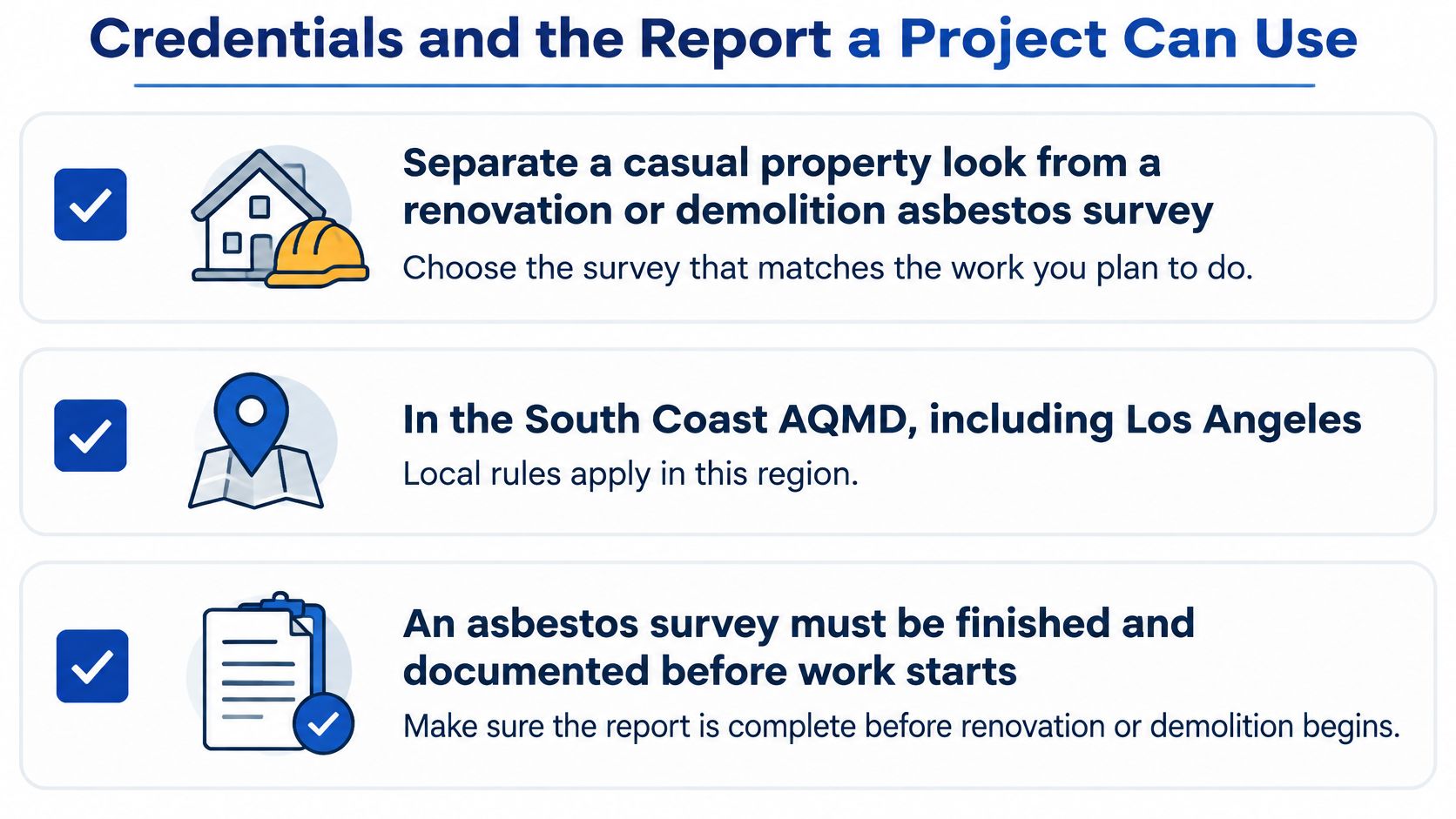
A buyer's walkthrough and a renovation survey are different products. In the South Coast Air Quality Management District, including Los Angeles, an asbestos survey must be completed and documented before renovation or demolition begins. The Rule 1403 compliance advisory describes a limited exemption for single-unit residential structures with less than 100 square feet of affected surface area. Most commercial jobs, and many house remodels, do not fit that exemption.
The survey is performed by a Cal/OSHA-certified asbestos inspector or, where permitted, by facility personnel holding an unexpired AHERA Building Inspector certificate from a Cal/OSHA-approved course. The written report must identify every asbestos-containing material that could be disturbed, describe whether it is damaged or disturbed, and determine whether it is friable.
A negative sample in one room does not clear materials the project will still touch. Buyers who plan renovations should have a Certified Asbestos Consultant test the materials that work will impact. The property owner, or the contractor who will renovate or demolish, commissions that survey before work starts. A buyer who is only considering the property is not the party who files the demolition paperwork.
What belongs in the file
South Coast AQMD survey-report expectations are specific. An adequate report documents scope, the requesting party, the site, dates and times, inspector and sampler qualifications, findings, and recommended response actions. It includes chain of custody, laboratory results, a diagram of sampling locations, and photographs when needed. The certified asbestos consultant confirms in writing that sampling, laboratory qualifications, and analytical methods comply with Rule 1403 and federal asbestos requirements under 40 CFR Part 763.
| Report element | Why it matters | A thin report often lacks |
|---|---|---|
| Scope, requester, and site description | Shows the survey matches the building and the work | A generic whole-house note with no scope |
| Inspection dates, times, and qualifications | Shows a certified inspector did the work | No named sampler or certificate |
| Every material that could be disturbed, plus condition and friability | Stops one clear room from being treated as a project clearance | Samples only from easy-to-reach spots |
| Chain of custody | Ties each sample to the location and the lab | Unlabeled bags or no custody record |
| Laboratory results | Supports the material call with analysis | A visual guess that a material is safe |
| Diagram, and photos when needed | Lets contractors find what was sampled | No map of sample locations |
| Written compliance with Rule 1403 and 40 CFR Part 763 | Connects the survey to Southern California demolition and renovation rules | A real-estate letter with no regulatory statement |
Procedure 5 is the paperwork path when asbestos-containing material is already damaged or disturbed. Rule 1403 calls for a Procedure 5 clean-up plan in that situation regardless of project size, and SCAQMD staff must approve the plan in writing before abatement of the disturbed material can begin. The submission pairs the notification with a site survey, chain of custody, lab results, and a clean-up plan that describes cause, extent, the consultant's findings, and planned response actions. Testing comes first. The plan does not replace the survey.
We provide testing and documentation for Rule 1403, SCAQMD and AQMD requirements, Notices to Comply, and Procedure 5 protocols. The asbestos report states the amount and location of asbestos in the building, written for owners, contractors, and inspectors. Project experience includes homes, commercial buildings, schools, hospitals, and port or harbor sites. That experience is about inspection and reporting, not about acting as the removal contractor.
Before you hire, ask four questions. Who collects the samples? Which laboratory method will be used? Is chain of custody recorded? Does the survey match the full scope of work, including materials above ceilings and inside chases? If the answer to any of those is vague, the report will not carry the project.
Book the Test That Matches the Building
If you can name your row from the comparison table, the next step is to schedule that test for Los Angeles and Southern California. A musty closet or a leak calls for a mold inspection. Walls about to be opened call for an asbestos survey sized to renovation or demolition. Peeling paint in an older rental or a sale calls for lead testing in Los Angeles. Odors and weak ventilation call for indoor air quality testing, with VOC sampling only if a source is in view. Smoke, ash, or a reoccupancy question calls for combustion-byproduct testing.
Our office is at 2459 1/2 Chico Ave, South El Monte, CA 91733. Request a free consultation and choose asbestos, lead, mold, fire damage, water damage, or other, so the first conversation starts on the right hazard. We work with homeowners, property managers, commercial owners, contractors, developers, and real estate professionals. The buildings behind that work include residences, commercial properties, schools, hospitals, and port or harbor sites.
What you are asking for is accurate testing, appropriate sampling, laboratory analysis, and a clear report. You are not asking us to remove materials, remediate mold, or restore a fire-damaged interior. Results help you and other qualified professionals decide what comes next. No test can guarantee a property is safe, because buildings change, hidden cavities exist, and a sample describes the places and the moment it was collected.
If your city did not show up in the search, ask whether coverage includes it. Use the same phone number or the online appointment request. The inspection worth booking is the one that matches the building, the event that just happened, and the work that is about to start.
Sensitive Environmental provides professional environmental testing and inspection across Los Angeles and Southern California, including asbestos surveys, mold and lead testing, indoor air quality assessments, and combustion-byproduct sampling after fire or smoke. If you are about to renovate, reopen after smoke, or sort out a leak, start with the test that matches that problem rather than a generic walkthrough. Visit Sensitive Environmental to request a consultation and schedule the inspection your building needs.