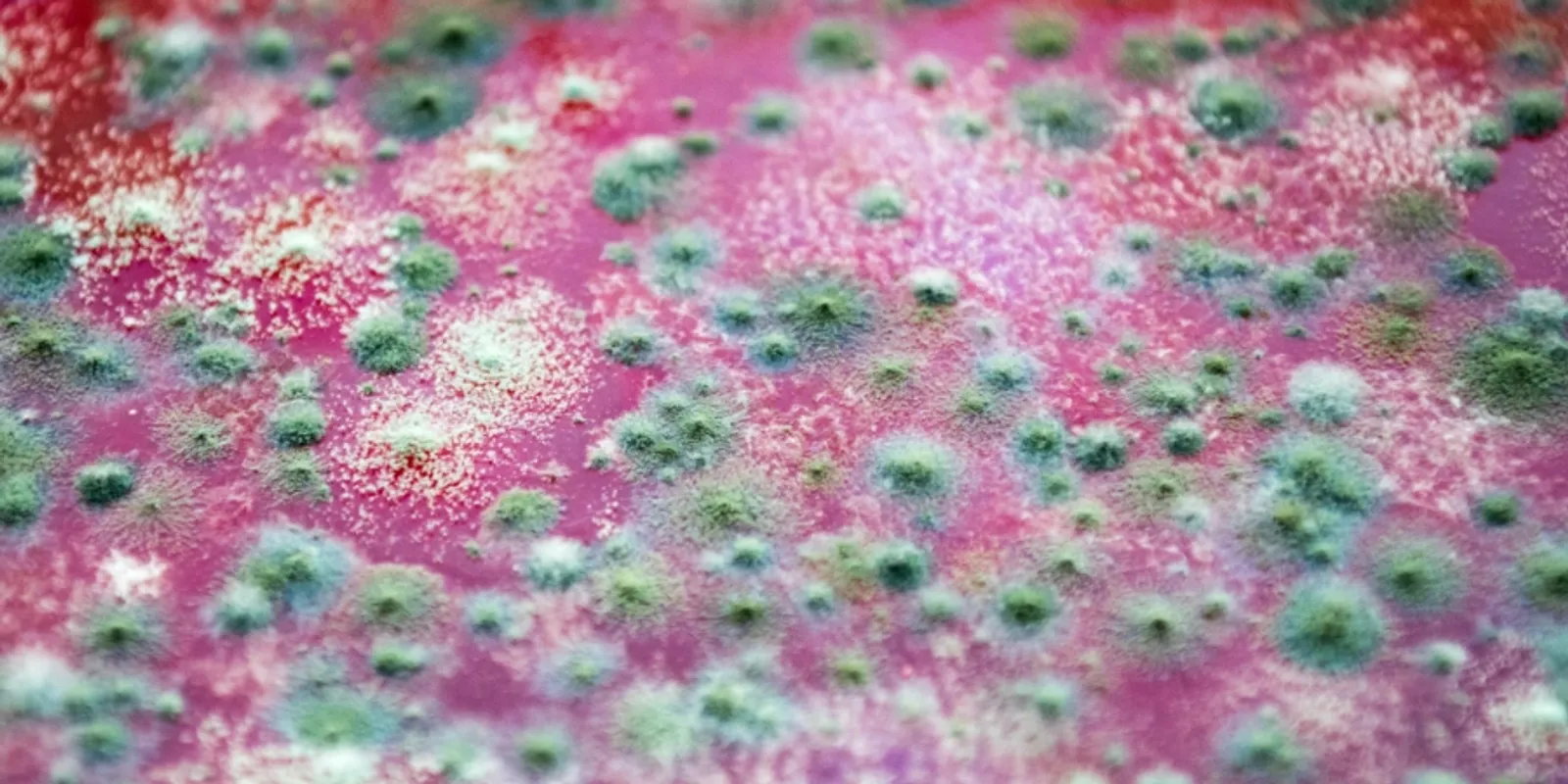
Mold is more than just an unsightly nuisance—it poses serious health risks and can cause structural damage if left unchecked. In Los Angeles County’s humid and diverse climate, mold growth is a common challenge for homes and commercial properties alike. At Sensitive Environmental, we specialize in professional mold abatement services tailored to LA County. In this post, we’ll walk you through what mold abatement is, why it matters, and how we approach safe and effective remediation.
What Is Mold Abatement?
Mold abatement refers to the professional process of removing mold growth and preventing its return through moisture control, targeted cleanup, and remediation techniques. This typically includes:
- Inspecting and identifying contaminated areas (including hidden spots behind walls, under flooring, and in HVAC systems)
- Isolating the affected zones using containment techniques to prevent spore spread
- Removing or cleaning contaminated materials (e.g., drywall, insulation, wood)
- Treating surviving surfaces with antimicrobial agents
- Drying and dehumidifying to reduce residual moisture
- Post-remediation assessment to ensure the problem is resolved
Because mold releases microscopic spores into the air, improper cleanup can make the situation worse. Proper abatement needs to be handled with care, containment, and expertise.
Why Mold Abatement Is Critical in LA County
1. Health Risks
Mold exposure can cause or worsen respiratory issues, allergies, asthma, and other irritation symptoms. Those with compromised immune systems, children, or seniors are especially vulnerable.
2. Structural & Material Damage
Mold consumes organic materials that are common in building interiors—wood, drywall, insulation—and weakens structural integrity over time.
3. Hidden Threats & Rapid Growth
Mold can hide in concealed spaces (behind walls, in air ducts, beneath flooring) and begin growing within 24–48 hours after moisture exposure. L.A. County Public Health
4. Legal & Compliance Implications
In many parts of Los Angeles and California, landlords and property managers have obligations to maintain habitable environments. Persistent mold may violate building codes or health standards. TENANTS OF CALIFORNIA+1
How Sensitive Environmental Handles Mold Abatement in LA County
Here’s our step-by-step approach:
1. Comprehensive Inspection & Assessment
We begin with visual inspection, moisture imaging, and air/surface sampling (if needed). Our team locates hidden moisture sources—roof leaks, plumbing issues, HVAC components, exterior intrusion.
2. Containment & Isolation
To prevent spores from spreading, we set up barriers and negative air pressure systems to isolate the remediation zone.
3. Removal & Cleaning
Porous materials heavily damaged by mold (drywall, insulation, carpeting) are safely removed. Non-porous surfaces are cleaned with specialized antimicrobial agents.
4. Drying & Moisture Control
Industrial dehumidifiers, air movers, and HVAC control tweaks are used to thoroughly dry affected areas and reduce humidity, which helps prevent recurrence.
5. Verification & Clearance
After remediation, we perform a final inspection or sampling to verify that mold counts are back to safe levels and that moisture is under control.
6. Prevention & Maintenance
We provide recommendations and ongoing moisture control plans to ensure mold does not return, including improving ventilation, repairing leaks, and managing humidity.
What You Can Do Right Now
- Address water leaks immediately — even small drips can lead to mold growth over time.
- Dry wet areas within 24–48 hours — this timeframe is critical to stopping mold before it gets entrenched. L.A. County Public Health+1
- Use dehumidifiers and ventilation in damp areas such as bathrooms, basements, or laundry rooms.
- Watch for early signs of mold — musty odors, discoloration, warped surfaces, or allergic symptoms when inside the building.
- Avoid DIY sprays or bleach fixes on extensive mold — improper treatment can actually worsen the problem, especially in fail to fix root moisture causes.
Why Choose Sensitive Environmental in LA County?
- Local Expertise — We understand the climate, building styles, and moisture challenges specific to Los Angeles County.
- Licensed & Certified Professionals — Our team adheres to industry best practices, including containment, safe disposal, and regulatory compliance.
- Prompt, Reliable Service — Mold doesn’t wait; we offer emergency response to limit damage.
- Clear, Transparent Process — You’ll know exactly what was remediated, how, and why.
- Customer Care — We minimize disruption, take care of cleanup, and prioritize safety and air quality.
If you suspect mold in your home or facility in Los Angeles County, don’t wait—mold problems worsen quickly. Contact Sensitive Environmental today for a professional inspection, remediation plan, and lasting mold abatement solutions.
Let us help you reclaim a safe, clean environment.